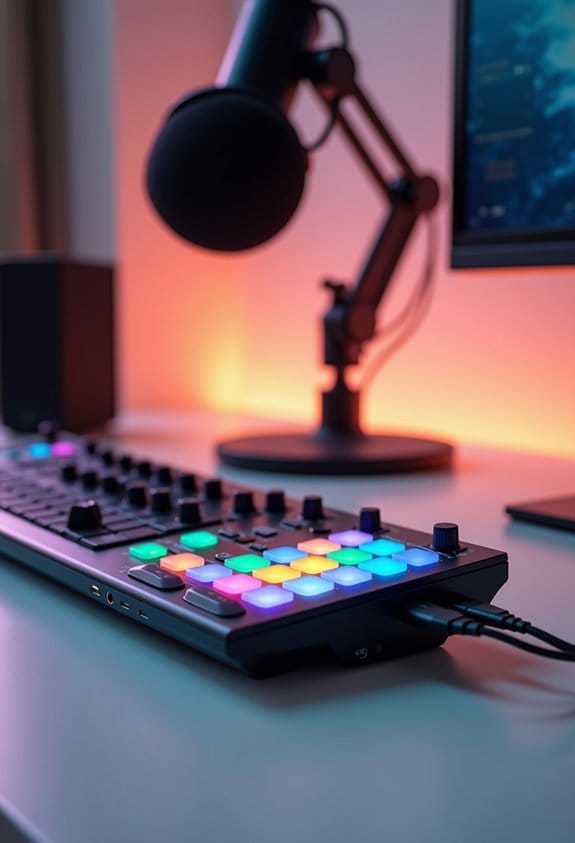
Understanding lumens and lux is vital for effective video lighting. Lumens measure total light output, with a 100-watt LED bulb producing about 1,600 lumens, perfect for reducing shadows. Lux, on the other hand, gauges light intensity at specific distances, typically ideal at 300 to 800 lux for filming. This balance helps maintain visibility and enhances colors. Experimenting with light distance and using tools like softboxes can elevate visual quality. Stick around to uncover more insights to perfect your setups!
Key Takeaways
- Lumens quantify the total visible light emitted by a source, while lux measures light intensity per area, crucial for video quality.
- Higher lumen output indicates brighter lights, essential for illuminating larger spaces effectively in video production.
- Lux levels ranging from 300 to 1000 are ideal for filming, influencing the visual quality of shots in various lighting conditions.
- Light distance affects lux; as distance increases, lux decreases, necessitating adjustments to maintain consistent exposure during shoots.
- Using proper tools like light meters helps achieve the desired lux levels, enhancing overall visual quality and reducing glare in videos.
What Is Light Measurement? Understanding Lumens and Lux
Hey there! Have you ever wondered what light measurement really means? It’s all about figuring out how we see and use light in our daily lives. For example, when we talk about lumens, we’re referring to the total visible light a source emits. Picture a standard 60-watt incandescent bulb—that thing puts out about 800 lumens. Pretty neat, right?
Now, on the flip side, we have lux, which measures how that light spreads out over an area. Specifically, one lux equals one lumen per square meter. This distinction is super important when you’re setting up lighting for photography or video. Imagine trying to capture the perfect shot—it’s all about getting that light intensity just right! In a typical office, you’d want about 300-500 lux to keep things comfortable, whereas a creative studio might need even more vibrant light.
Understanding lumens and lux can really shape the way we create lighting for photography or in our homes. It’s all about finding that sweet spot to enhance the mood and function of any space. So, whether you’re snapping pics or just trying to brighten up your room, keeping these measurements in mind can make a big difference! Many photographers rely on dimmable softbox lights to precisely control brightness and color temperature for optimal results.
Understanding Lumens: The Key to Brightness in Video Lighting
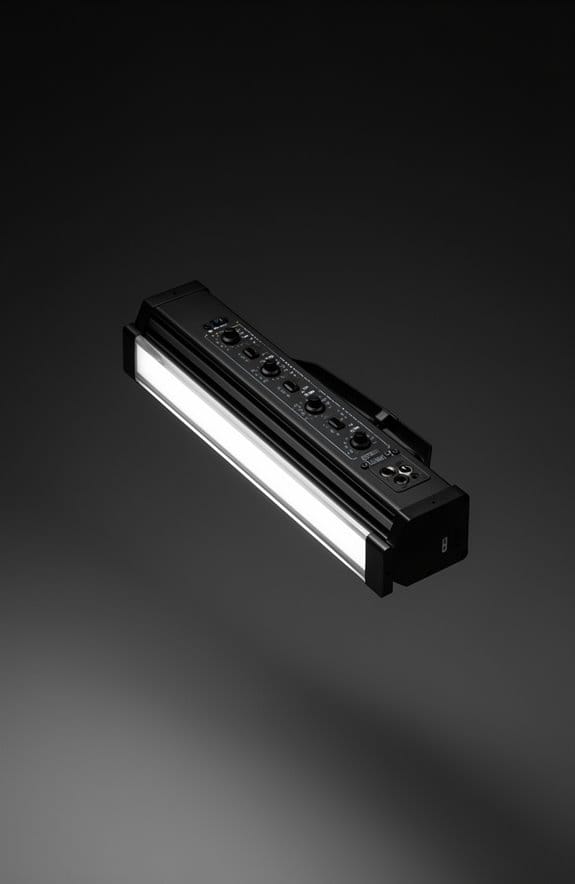
When it comes to video lighting, getting a handle on lumens is super important if you want to create captivating visuals. Lumens basically measure how much visible light a light source emits, telling us just how bright that light actually is. For example, think about a regular 60-watt incandescent bulb; it gives off about 800 lumens. If you’re working in a large space or bright environment, lights with higher lumen ratings can really help brighten things up. This means fewer shadows and more vibrant colors in your shots, which can make a huge difference in the quality of your footage.
Different lighting types, particularly LED lights, can vary quite a bit in their lumen output. For instance, a typical 100-watt LED bulb can produce around 1600 lumens—perfect for illuminating big areas or for shooting on bright days. So, when you’re picking your lighting equipment, make sure to consider these lumen levels. Understanding this concept is key for anyone serious about videography, as it helps ensure your scenes look well-lit and engaging. Ready to learn about the different types of lights and how to use them effectively? Let’s get into it!
Additionally, paying attention to the Color Rendering Index of your lights ensures the colors in your video appear true to life.
Recommended Products

X1 Ultimate for projector brings you the best of Sony’s image processing

X1 processor for projector brings you the best of Sony’s image processing
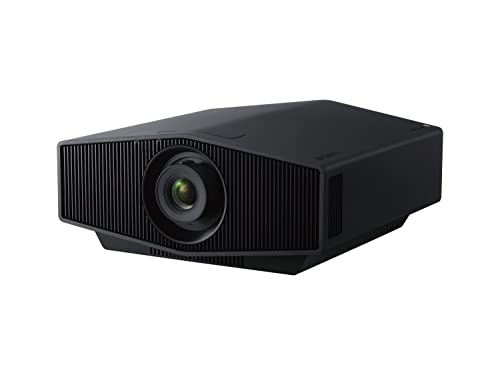
Up to 2,000 lumens of brightness, generated by a long-lasting laser light source, for vibrant images even on a large screen.
How Does Lux Affect the Visual Quality of Your Videos?

So, let’s talk about how lux impacts the visuals in your videos. While many creators think of lumens when considering brightness, lux plays a crucial role in capturing those perfect shots. Lux tells us how much visible light actually reaches surfaces, which is key for getting good lighting without those harsh shadows that can ruin an otherwise great scene.
When you’re setting up your lights, aim for lux levels between 300 and 1000, depending on how much ambient light is around. For example, if you’re filming indoors on a cloudy day, you might need more light—closer to the 800 lux mark—to avoid a dim look. On the other hand, shooting in bright daylight? You might stick to around 300 lux to keep things balanced.
Using lights that let you adjust brightness can really help you adapt on the fly. This way, whether you’re going for a cozy, intimate vibe or a bright and vibrant look, you can make it happen. By keeping those lux levels in check, you not only make your videos more enjoyable to watch but also create a more comfortable experience for your audience. Now, let’s explore how different lighting techniques can enhance storytelling in your footage.
Proper placement and consideration of environmental factors significantly impact both audio and visual quality, making it essential to optimize light and sound positioning in your setup.
How Do Lumens and Lux Work Together for Better Brightness?
Have you ever wondered how lumens and lux work together to create brighter and more impactful video scenes? It’s pretty fascinating! Lumens measure the overall brightness that video lights can produce, while lux tells us how much light actually reaches your subject. Imagine you have a 1000-lumen light. Depending on how far away you place it from your subject, the lux measurement will change, affecting how well you can see those details on camera.
For instance, if you’re filming someone sitting at a table, placing your light just a few feet away can significantly increase the lux hitting their face, making it brighter and more appealing. But if you move the light further back, the lux decreases, and they might look dim or shadowy. So, when planning your shoot, try to balance the lumens you have with the lux you need for your specific setup. This way, you’ll ensure your subject is well-lit and your video looks professional, no matter what conditions you’re working with.
This understanding of light can be a game-changer for achieving the perfect shot, and as you explore different setups, keep experimenting with distance and placement to see what works best! Additionally, combining this understanding with adjustable brightness levels on your light panels allows for even more precise control over the lighting in your scene.
The Importance of Balancing Lumens and Lux in Video Lighting
Hey there! Let’s talk about balancing lumens and lux in video lighting because it plays a huge role in how good your footage looks. Now, lumens measure the overall amount of light in a space, while lux tells us how much light is hitting your subject at a certain distance. Think of it this way: you need enough light to brighten up the entire room, but you also want to make sure your subject is well-lit and not lost in shadows.
For example, if you’re filming an interview, you typically want to aim for around 400-800 lux shining on the person’s face. But don’t forget about those lumens! You still need plenty of them to evenly light the background so that everything looks cohesive. A well-lit scene makes for engaging viewing, while poor lighting can leave your audience struggling to focus. Choosing a video light with a high CRI rating ensures your colors appear accurate and natural on camera.
How to Effectively Measure Lux and Avoid Glare in Your Setups
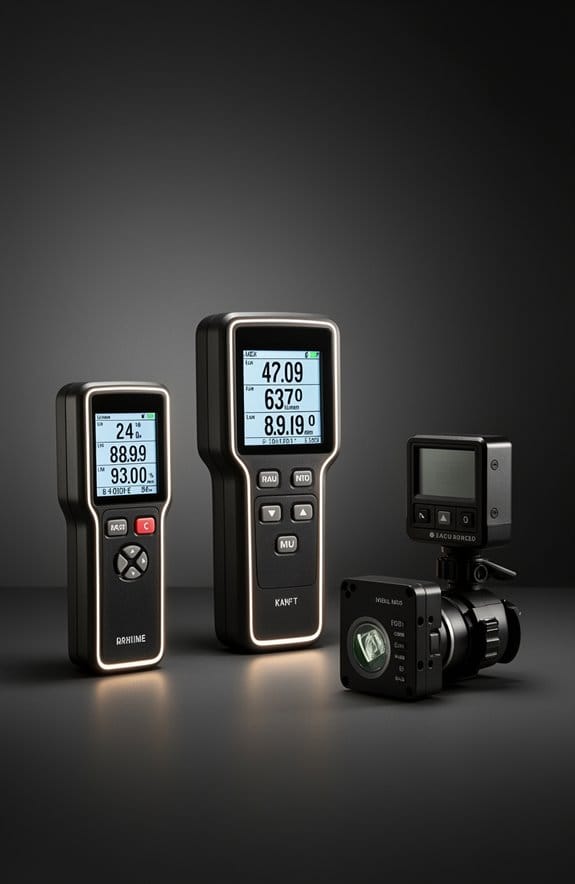
Hey there! So, let’s talk about measuring lux in your video setups. You really want to keep your lighting just right, and using a light meter to measure lux is the way to go. This little device tells you how much light is hitting your subject, making it easier to tweak your lighting until it’s perfect. For instance, with a reading between 300 to 500 lux, you’ll achieve that sweet spot for balanced exposure.
Now, let’s not forget about glare. It can totally ruin a shot! One simple trick to avoid it is to angle your light sources. Instead of pointing them directly at your subject, try tilting them slightly. This helps create softer, more diffused light, which minimizes those harsh shadows we all dread. Using things like softboxes or diffusers can further help spread the light evenly and lower the lux levels a bit, making your overall lighting look so much smoother.
Oh, and remember to check your lux levels at different distances from the light source. As you move further away, the measurements can drop, so keeping that in mind helps maintain consistent lighting during your shoots. It’s all about making those little adjustments for the best possible results! Now, speaking of lighting quality, let’s chat about some fun ways to enhance your setup with backlighting techniques. For a more versatile lighting setup, consider using a ring light with adjustable brightness and color temperature to refine your exposure further.
Recommended Products
SUPERIOR MAGNIFICATION - Experience unparalleled clarity with 10x magnification, bringing distant subjects into sharp, detailed focus for an immersive viewing experience.

Infinity ring system is a race-proven, adjustable linking system featuring expandable widths, Modular beam shape Available in a radius or straight setting between each ring

Versatile Lighting Effects:Unleash creativity with a comprehensive effects system:14+1 color wheel, 13+1 gobo wheel, and an 8+18 rotating prism with rainbow/frost effects. The independent 31x0.5W RGB LED ring adds dynamic color washing and aperture effects, offering endless creative possibilities for complex stage design.
Frequently Asked Questions
What Is the Difference Between LED and Incandescent Lumens?
LED lumens offer higher efficiency and longer lifespan compared to incandescent light, which provides warm illumination but consumes more energy. Differences include heat emission, dimming capability, and color rendering, influencing their application suitability and cost analysis.
How Does Color Temperature Affect Perceived Brightness in Video Lighting?
Color temperature impacts perceived brightness considerably, as warmth perception affects comfort, while cool light influences clarity. Soft light advantages create inviting atmospheres, whereas harsh light drawbacks can detract from mood, emphasizing daylight balance in scene setting and lighting quality.
Can Outdoor Lighting Levels Impact Indoor Lux Measurements?
Outdoor lighting levels can considerably impact indoor measurements. Factors like light pollution, daylight influence, and seasonal changes affect artificial lighting intensity variations and light distribution, leading to varying shadow effects and overall environmental impacts on indoor lux levels.
Should I Consider Reflector Types When Measuring Light Output?
Considering reflector types is essential, as reflector efficiency affects light intensity and dispersion. Various reflective materials and beam angles influence fixture design and focus control, impacting application suitability and overall quality difference in mounting options.
How Do Battery-Powered Lights Compare in Lumens and Lux to Plug-In Models?
Battery-powered lights often exhibit lower brightness levels compared to plug-in models, affecting output consistency and light quality. However, they offer portability advantages and runtime efficiency, with cost comparisons highlighting user convenience despite potential heat generation issues.