


Weather sealing is a game-changer for vloggers, providing essential protection from moisture and dust. It typically involves rubber seals and silicone rings to create a moisture-resistant barrier. Many high-end cameras boast 60 to 70 of these seals for added durability. However, it’s important to pair weather-sealed bodies with compatible lenses for maximum performance. Regular maintenance, like inspecting seals for wear, can truly enhance reliability. Curious how to choose the right gear for your needs? Keep exploring for more insights.
Key Takeaways
- Weather sealing protects vlogging gear from moisture, dust, and sand, enhancing durability during unpredictable filming conditions.
- An IP rating of at least IP66 is ideal for ensuring better protection against moisture and dust for reliable shooting.
- Regular maintenance, including inspections of seals and storage away from extreme temperatures, ensures optimal performance during shoots.
- Common myths include the belief that weather-sealed cameras can handle heavy rain, which is misleading as they mainly resist light rain.
- Using accessories like rain covers and protective lens filters can further enhance gear protection during outdoor vlogging sessions.
What Is Weather Sealing?

Hey there! So, let’s chat about weather sealing—it’s super important for anyone who loves vlogging, especially in unpredictable conditions. Basically, weather sealing means your camera has special seals to protect it from moisture, dust, and sand, making it way more durable out there in the wild.
Most weather-sealed cameras use materials like rubber seals and silicone rings to create a barrier around fragile parts. For example, higher-end DSLRs can have around 60 to 70 of these seals, often around moving bits like buttons and hinges. This means they can handle a little rain or a dusty hike better than standard cameras. Just keep in mind that weather sealing isn’t the same as being waterproof! Depending on the brand, it might not offer the same level of protection, so it’s good to check that out.
Also, if you’re using a weather-sealed camera body, make sure to pair it with a weather-sealed lens too. Mixing a weather-sealed camera with a regular lens can leave openings for moisture or dust, which defeats the whole purpose. As you gear up for your next adventure, consider these details, and let’s move on to explore some of the best weather-sealed cameras on the market!
Many weather-sealed cameras also include anti-shake technology, which helps maintain smooth and professional-quality video even in challenging outdoor environments.
Recommended Products

Super-telephoto, 600mm Lens with Wide f/4 Maximum Aperture, Exclusively for EOS R-series cameras.

High-performance, Wide-aperture 400mm f/2.8 Super-telephoto Lens, Exclusively for EOS R-series cameras.

Telephoto zoom lens that builds on the legacy of the popular EF300mm f/2.8 lens.
Why Is Weather Sealing Important for Vloggers?

Hey there! If you’re into vlogging, especially outdoors, you’ve probably thought about weather sealing in your camera gear. It’s super important because it keeps your equipment safe from moisture and dust when the weather doesn’t cooperate. For instance, if you’re out shooting in the rain or a bit of fog, having a camera with an IP rating of at least IP66 means you won’t have to stress about your gear getting damaged.
Imagine you’re capturing a beautiful sunset, and suddenly, a light drizzle starts. With weather-resistant gear, you can keep filming without worrying about your camera. Plus, if you’re using non-weather sealed lenses, the weather sealing helps prevent moisture from sneaking in through the lens mount.
Additionally, pairing weather-sealed cameras with portable design gear like lightweight gimbals enhances your ability to shoot comfortably in various outdoor conditions.
Essential Features of Weather-Sealed Vlogging Gear for Reliability

Hey! So, when you’re picking out vlogging gear, you’ll want to make sure it has good weather sealing and reliability—trust me, it makes all the difference. Weather-sealed gear usually features moisture-resistant bodies with rubber seals and gaskets around buttons and openings. This means you won’t have to stress about rain or dust while you’re capturing those perfect outdoor moments.
For example, many advanced cameras come with an impressive IP66 rating, which tells you they’re resistant to water and dust. Plus, lenses that are also weather-sealed often have special coatings that help repel dirt and moisture, keeping your images sharp and clear. Imagine being in a sudden downpour and still being able to film without worrying about your gear getting ruined.
Having reliable gear lets you focus on spontaneity and creativity, even when the weather isn’t cooperating. It’s like having a trusty friend who’s always got your back out there! Speaking of creativity, let’s chat about how to frame those shots perfectly for your vlogs, no matter the conditions. Many action cameras feature waterproof capabilities with depths exceeding 130 feet, allowing you to capture footage in extreme wet environments confidently.
Recommended Products
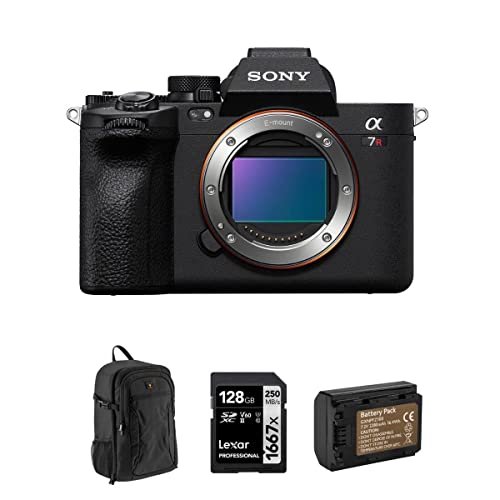
INCLUDES EVERYTHING YOU NEED – Alpha a7R V Camera Body | Body Cap | Eyepiece Cup | Multi Interface Shoe Cap | Rechargeable Battery | External Battery Charger | Shoulder Strap | USB Cable | Bundle Items: 128GB UHS-II SDXC Memory Card | Backpack | Extra Battery | Sony 1 Year Limited Warranty.

Unparalleled resolution in a compact and lightweight camera

CMOS SENSOR: The revolutionary 45.7MP BSI FX-Format illuminated CMOS sensor creates more opportunities for incredible image quality by bringing in more light and capturing more detail
How Weather Sealing Affects Your Camera’s Performance
If you love capturing those stunning outdoor moments, you know how important your camera’s performance is. Weather sealing is a real lifesaver here since it protects your gear from moisture, dust, and even some light rain. Think of it like a cozy raincoat for your camera, often featuring around 60-70 tiny silicon rings that create a nice barrier against the elements.
But let’s be real—while weather sealing works wonders for light exposure, it’s not a bulletproof shield. If you’re stuck in heavy rain or a snowstorm, non-sealed lenses could still take a hit. That’s why many vloggers opt for extra gear like rain covers. These nifty accessories complement a weather-sealed camera beautifully, ensuring you can keep shooting, come rain or shine. It’s all about feeling safe and focused on your creativity instead of worrying about your equipment getting soaked.
When choosing gear, you might also consider devices with ultra-low latency features to ensure smooth performance during live streaming or recording outdoors.
Recommended Products

Professional-Grade Versatility for Every Shot : Capture stunning images in any setting with the Sigma 24-70mm f2.8 Art Sony II and Sigma 30mm f/1.4 DC DN lenses. The 24-70mm f2.8 Sony covers all your focal lengths, while the sigma 30mm f/1.4 sony e mount ensures exceptional low-light and depth control. A perfect duo for all occasions.

Excellent Optical Performance (sharpness, color reproduction, distortion control, and optical aberration control) throughout the entire lens set.

Extensive zoom range of 24 to 200 millimeter (35 millimeter equivalent)
Choosing the Right Weather-Sealed Gear for Your Vlogging Needs
Choosing the right weather-sealed gear for your vlogging needs can feel a bit overwhelming, but it doesn’t have to be! Start by looking for cameras and lenses with high IP ratings—aim for IP66 or higher. This means they can handle dust and moisture pretty well. For example, if you’re considering a camera like the Canon EOS R5 or the Sony A7S III, you’ll find they both come with great weather-sealing features.
It’s super important to ensure that both your camera body and lenses are weather-sealed. If you grab a sealed body but pair it with a non-sealed lens, you’re risking your gear’s durability. A useful tip is to look for equipment with hydrophobic coatings, which help keep water droplets from sticking to the lens. This keeps your shots clear and sharp, even in light rain.
Don’t forget about accessories! Adding a rain cover or even a simple shower cap can provide an extra layer of protection against those unexpected downpours. Plus, if you plan to vlog in colder weather, remember that batteries tend to drain faster in low temperatures. So, a sturdy camera bag can help protect your gear against the elements while you’re on the go. With these precautions, you’re more than ready to capture stunning outdoor shots without worrying about the weather! Also, consider using portable vocal booths for enhanced audio quality during outdoor recordings, as they are designed to minimize unwanted echoes and background noise in various environments.
Recommended Products


Swarovski NL Pure 10x42 binoculars 10x magnification with 42mm objective lenses for detailed, long-range observation.

Canon USA Authorized. Items Include: Canon RF 24-105mm f/2.8 L IS USM Z Lens – Fast All-In-One Zoom with Image Stabilization for Weddings, Video & Portrait Photography, 64GB Memory Card
Best Practices for Maintaining Your Weather-Sealed Gear
Taking care of your weather-sealed gear is super important if you want it to last and perform well in all sorts of conditions. Think of it like giving your camera and lenses a little check-up now and then. For example, regularly inspect the seals to make sure they’re not cracked or worn out, since rubber can really start to break down over time.
When you store your gear, be mindful of the environment. Try to keep it away from extreme temperatures, as heat or cold can weaken those protective seals. A practical tip is to use a padded camera bag that’s temperature-controlled, especially if you’re heading out on an adventure.
Also, don’t underestimate the power of using protective filters and lens hoods. They do wonders for keeping moisture and dirt off your lens when you’re shooting in less-than-ideal weather. After a rain shoot or if your gear gets splashed, wipe everything down with a damp cloth to get rid of any potential grime, especially around the seals and buttons.
Lastly, remember to do a thorough maintenance check every now and then. Look at the gaskets and seals to ensure everything is in working order. This little routine can help ensure your weather-sealed gear is ready to deliver when you need it most. Speaking of which, let’s chat about some of the best environments to take that gear out and put it to the test!
For added protection during shoots, consider incorporating non-reflective surfaces in your setup to improve image clarity while keeping your equipment safe.
Common Myths About Weather Sealing You Should Know?
Hey there! So, let’s talk about some common myths about weather sealing that you might have heard, especially if you’re into vlogging. A lot of folks think that just because a camera is weather-sealed, it can handle downpours without a hitch. But that’s a bit misleading! Weather sealing mainly protects against light rain and dust, not full-on waterproofing. For instance, you wouldn’t want to take your weather-sealed camera for a swim!
Another point to consider is that the level of weather sealing can really vary from one brand to another. Just because a camera is labeled as “sealed” doesn’t mean it’s tough enough for extreme conditions. And here’s a tip: if you’re using non-weather-sealed lenses with your weather-sealed body, be cautious. Water can sneak in through the lens mount, compromising that protective seal. When selecting gear, it’s also smart to check the weatherproof ratings to understand its protection level against dust and moisture.
Enhance Vlog Protection With Weather-Sealing Accessories
If you’re heading out into unpredictable weather for vlogging, you’ll want to think about adding some weather-sealing accessories to protect your gear. Essential items like rain covers and protective lens hoods can really help keep your camera safe from the elements. For example, a good rain cover can shield your gear from an unexpected downpour, while a lens hood can reduce lens flare from sneaky sunlight.
When considering weather-sealed solutions, remember that your camera should have features like rubber gaskets and silicone rings. These elements work together to keep out moisture and dirt. Also, think about using UV filters on your lenses—they offer extra protection from environmental factors while ensuring your video quality stays sharp. Just keep in mind that not all lenses come weather-sealed. If they aren’t, you might be risking the integrity of your camera’s sealing. Additionally, ensuring your audio equipment such as wireless microphone systems have interference prevention features can help maintain clear sound even in challenging outdoor environments.
Recommended Products

The "Moonlit" F1.2 Aperture Mastery: Step into a new world of brightness with the F1.2 ultra-large aperture. Unlike F1.8 lenses, the SongRaw Moonlit series captures 2.5x more light, delivering creamy, dreamy bokeh that melts backgrounds away. Perfect for low-light night scenes and atmospheric portraits, allowing you to shoot at lower ISOs for cleaner, noise-free images.


PROFESSIONAL ZOOM WITH F2.8 APERTURE: Covers wide to short telephoto at a constant F2.8 across the range. Ideal for portraits, landscapes, and events, this fast aperture lens enhances low-light and depth-of-field control.
Frequently Asked Questions
What Does Weather Sealing Mean in Cameras?
Weather sealing in cameras refers to features ensuring moisture resistance and lens durability, providing environmental protection. This rugged design enhances performance in outdoor photography, although effectiveness may vary across different brands and models. Regular maintenance is essential.
How Do Photographers Keep Their Cameras Dry in the Rain?
Photographers keep their cameras dry in the rain by utilizing rain gear, employing protective cases, using camera pouches, attaching lens hoods, and opting for quick drying methods to guarantee equipment remains safe and functional.
How to Protect a Camera Without Weather Sealing?
To protect a camera without weather sealing, one can use camera covers, waterproof bags, and protective cases. DIY solutions like plastic bags, along with lens filters, offer additional safeguards against moisture during unpredictable weather conditions.
Why Put Vaseline on a Camera Lens?
Applying Vaseline to a camera lens is the avant-garde method of lens protection techniques, offering whimsical moisture prevention strategies. However, it risks turning vlogging gear maintenance into a blurry art project, necessitating meticulous cleaning tips discussed.


