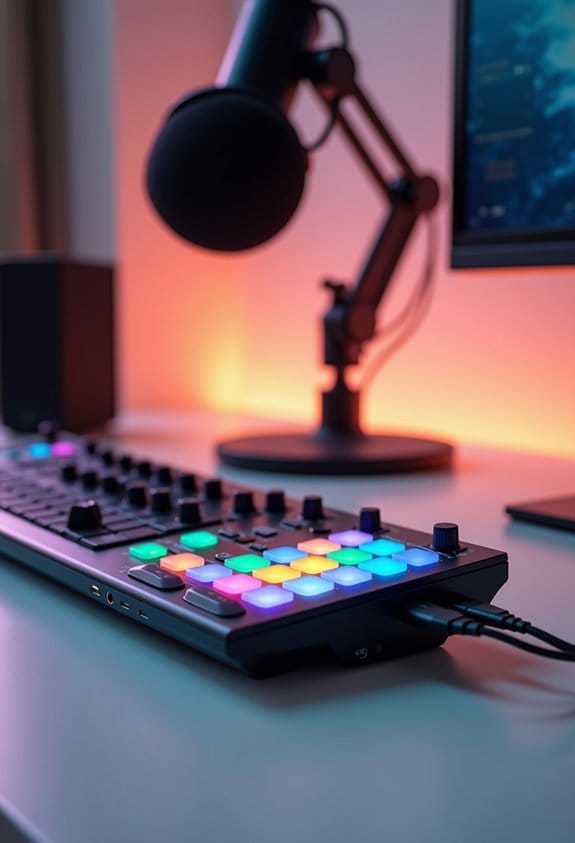
Light diffusion is the process of softening harsh light using semi-translucent materials like diffusers or softboxes. This technique dramatically improves video quality by creating a flattering glow, minimizing shadows, and reducing glare. For example, using diffusion gels on LED lights provides a warmer look, while a simple white bedsheet can transform direct sunlight outdoors. Through these methods, videographers can enhance the overall aesthetic, ensuring their subjects look their best. Discovering the right techniques can take your video work to another level.
Key Takeaways
- Light diffusion softens harsh lighting, creating a gentle glow that reduces unflattering shadows on subjects in video production.
- Using tools like softboxes and diffusion gels enhances lighting quality, improving overall presentation and video aesthetic.
- Diffused light minimizes strong contrasts, adding warmth and depth to scenes, which enhances viewer engagement and emotional impact.
- It preserves colors and textures without distortion, ensuring a more polished and professional appearance in videography.
- Effective diffusion techniques can be achieved with both professional equipment and DIY materials, making it accessible for various setups.
What Is Light Diffusion and Why Does It Matter?

You know how sometimes sunlight pouring through a window makes a room feel warm and inviting? That’s light diffusion in action! It happens when light passes through semi-translucent materials, creating a softer, more even glow. This scattering of light is super important for videography because it minimizes harsh shadows and glare.
For instance, when you’re shooting a close-up of someone during an interview, diffused light can help avoid those unflattering shadows that can make a person look tired or washed out. Using tools like softboxes or diffusion gels can really enhance the light, making your footage look polished and professional. Many studio lighting kits also include softbox diffusers to effectively reduce harsh shadows and improve the overall quality of your video lighting.
Direct Light vs. Diffusion: Understanding the Differences

Hey! If you’re looking to up your video game, let’s chat about the differences between direct light and diffused light. So, direct light can be a bit harsh; it creates strong shadows and can make everything look a bit too intense or even unflattering. Think about those bright sunny days—it’s great for some things, but everyone squints and the shadows can be pretty drastic.
On the flip side, diffused light softens everything up. It spreads out the light, which reduces those harsh contrasts, making your footage feel warm and inviting. Imagine filming someone outdoors on a cloudy day—those clouds act like a natural diffuser, giving your subject a beautiful glow without all the glaring shadows. It’s a great way to create intimacy in your shots.
Also, if you use a larger light source and add a diffuser, it wraps the light around your subject nicely. This added depth can really bring your footage to life. So, understanding how to switch between direct light and diffused light can really make a difference in how your videos feel. Many professional streamers achieve this effect using Elgato Key Lights which feature edge-lit technology to minimize glare and harsh shadows. Next, we can explore how to practically apply these lighting techniques in different shooting scenarios!
Recommended Products

TRUE PARABOLIC STRUCTURE: This item has a true parabolic structure design, and the reflector is made of highly reflective inner silver mesh cloth, making reflected light combines smooth spread, beauty contrast and variable focus.

Portable AC/DC Strobe: The FJ400 is the first portable 400Ws AC/DC strobe with under a second recycle speed at full power that offers an impressive 480+ full-power flashes per charge

ACCURATE VERSATILITY - With a class-leading SSI of 82 (3200K) and 72 (5600K), CRI of 97 and TLCI of 98, an expanded CCT range of 2700K-7500K, and a wide G/M adjustment of +/-150, PavoTube II 30C is both highly accurate and adaptable
How Do Light Diffusers Improve Your Video Quality?

Hey, have you ever noticed how light diffusers can really boost video quality? They take harsh, glaring light and soften it, making everything look way more flattering. Think of them as the magic trick that turns bright sunlight into a soft, golden glow, perfect for capturing those close-up shots.
When you use the right diffuser, it spreads the light evenly, which helps reduce unflattering shadows that might expose skin imperfections. For example, if you’re filming a portrait video, this can make a huge difference in how natural skin tones appear. Plus, it keeps things looking balanced, so your viewers won’t get distracted by odd lighting inconsistencies.
Another cool thing about diffusers is that they help maintain consistent lighting, which is super important when you’re switching between scenes or cuts. If you’re filming a short tutorial and need to move around, having the same lighting quality everywhere makes your video look professional and polished. Additionally, choosing diffusers made from UV-resistant materials ensures durability and color consistency over time. So, if you want to step up your video game, consider investing in a good light diffuser! Want to hear about other tips for improving your filming setup?
Recommended Products

SUPERIOR BRIGHTNESS CONTROL - Achieve precise lighting with dimming from 0-100%, allowing for perfect illumination in any setting, ensuring professional-grade results every time with this LED panel.

TRUE PARABOLIC STRUCTURE: This item has a true parabolic structure design, and the reflector is made of highly reflective inner silver mesh cloth, making reflected light combines smooth spread, beauty contrast and variable focus.

Effective Diffusion Techniques for Every Lighting Source
Hey there! So, if you want to achieve great video quality, mastering effective diffusion techniques is key, especially when it comes to different lighting sources. For instance, if you’re using tungsten lamps, try using light diffusers like china balls or diffusion tubes. They do an amazing job of softening those harsh shadows and giving your subjects a really flattering glow.
Now, when we’re talking about fluorescent lights, frosted acrylic sheets or special diffusion fabrics work wonders. They help scatter the light evenly, which means you can wave goodbye to distracting glare. And don’t forget about LED light panels! Using softboxes or lightweight diffusion gels with them will not only create a natural light cast but also help you keep control over brightness and color temperature, giving your footage that professional edge.
When you’re shooting outdoors, canopies or translucent materials can be lifesavers. They can soften the harsh sunlight and prevent overexposure, making everyone look their best. Ultimately, thicker or textured diffusive materials change how light behaves, allowing for more consistent shadows and better coverage. So, whether you’re inside or outside, playing around with these techniques can really elevate your video game! Ring lights with adjustable color temperature and brightness options can complement diffusion techniques by providing consistent and flattering illumination for both indoor and outdoor shoots.
Recommended Products

Godox KNOWLED F200R waterproof flexible LED mat panel for film, broadcast & video production

【Upgraded 200W High Power RGB Light Mat】The AF200C is an upgraded 200W LED video light based on the FL100C, featuring 1728 LEDs distributed across a larger 28.9"x22.8" folding mat. It delivers continuous output lighting, up to 25000lux/0.5m (5600K) in Max Output mode and boasts full RGB colors with wide lighting coverage to creatively illuminate your workspace. The 2500K-10000K range along with 1%-100% dimming meets various color tone and lighting needs. CRI95+/TLCI97+ ensures color accuracy

【Hexadecagon Parabolic Softbox】 This deep, parabolic softbox features a smooth, even silver internal coating that broadens and diffuses the output while retaining the neutral color rendering index (CRI) and temperature, spreading light more evenly and widely to improve shooting results. Two layers of diffusers can be attached via touch fasteners to soften harsh glare and eliminate unwanted shadows
Budget-Friendly DIY Methods for Light Diffusion
Hey there! So, if you’re looking for some budget-friendly DIY methods for light diffusion, I’ve got a few tips that might surprise you. You’d be amazed at how simple items, like white bedsheets or sheer fabrics, can really soften those harsh lights. Think about using a white bedsheet as a backdrop—it turns those intense spotlights into a lovely, diffused glow perfect for video shoots.
Another nifty trick is to grab some baking parchment paper. It’s super handy; just place it between your light source and the subject you’re shooting. This helps reduce any glaring spots and unnecessary shadows. Plus, if you have some old lampshades lying around or frosted glass containers, they can work wonders, too! Just pop them around your light source for a more focused yet gentle light.
If you’re filming with action cameras, you might also want to consider their dual display features to monitor how well your diffusion techniques improve your lighting on the screen.
Recommended Products

Product Photography:Commonly used to create a professional look in product shots, helping to eliminate reflections and highlight the product features.especially for products with reflective objects such as jewelry and metal items

Package and Size: you will receive a roll of light diffuser film with a width of 47 inches/ 1.2 m and a total length of 984 inches/ 25 m; This size ensures that you have enough diffusion film filters to adapt to any shooting situation

✅ DRYER SACHET May be reused to fragrance & soften up to 8 loads of laundry! HOME SACHET Place in vacuum cleaner bag then fragrance & vacuum away! PERSONAL SACHET Place in gym bags, lingerie drawers, trash pails, etc...the possibilities are endless!
Benefits of Diffused Light for Filmmaking
You know, diffused light is like magic in filmmaking. It really helps create a softer, more flattering look for anyone on camera. Instead of those harsh shadows that can make faces look less appealing, using diffusers smooths everything out. For example, when you shoot a close-up, having that soft light can highlight a character’s features beautifully without overwhelming them.
Using larger light sources, like a big softbox, can give a nice wraparound effect. This means your subject is evenly lit from all angles, so you avoid those annoying dark spots. It also creates uniform lighting across different scenes, which is crucial for continuity in a story. Imagine a film where every shot has a consistent feel—it’s much easier for the audience to stay immersed.
Plus, diffused lighting gives filmmakers the ability to set the mood just right for a scene. Whether it’s a warm, cozy vibe for a romantic moment or a cooler, more dramatic effect for tension, soft lighting has a huge influence on how viewers feel. So, next time you’re watching a film, pay attention to how the lighting contributes to the overall emotion—it’s a subtle but powerful tool!
Additionally, having adjustable brightness enhances the control filmmakers have over light diffusion, allowing for precise ambiance settings in every shot.
How Light Diffusers Impact Cinematic Aesthetics
You know, light diffusers really make a huge difference when it comes to cinematic aesthetics. Many filmmakers quickly find that using a diffuser softens the light, which can eliminate those harsh shadows and give subjects a more flattering glow. For example, think of a romantic scene—having that gentle, diffused light can create a warm, inviting atmosphere that enhances the emotions without feeling too overwhelming.
When filmmakers use light diffusion, they can balance bright spots and dark areas more effectively. This means fewer distracting overexposed highlights and deeper, richer shadows. It really helps everything feel more natural. Plus, diffused lighting helps preserve colors beautifully, so detailed textures in costumes or scenery shine through without any weird distortion. Imagine capturing the vibrant leaves in a park during fall—they can look stunning without losing their essence.
Ultimately, the thoughtful use of light diffusers allows filmmakers to set the mood for different scenes expertly. By playing with light and shadow, they can evoke specific feelings and reinforce the emotional narrative of the story. It’s fascinating how something as simple as a piece of fabric in front of a light can have such a profound impact on the visuals we see on screen! Using a softbox lighting kit with adjustable color temperature ranges further refines this effect by allowing precise control over the light’s warmth and intensity.
Common Light Diffusion Materials and Their Applications
Hey, have you ever thought about the different light diffusion materials out there for video production? It’s pretty fascinating! You’ve got options like diffusion gels, softboxes, and umbrellas, all designed to soften those harsh shadows and make your lighting look more inviting. For something more affordable, just grab some white bedsheets or curtains—those work wonders as DIY diffusers!
If you’re using things like tungsten lamps or LED panels, materials such as parchment paper and tough diffusion fabrics are super versatile. They really help spread the light evenly, which is key for achieving that polished look in your videos. For instance, using a piece of Tough White Diffusion can change how shadows fall and affect the overall brightness of your shot.
When you’re shooting outdoors, soft diffusion materials like Soft Frost are your best friends. They hold up well against wind and other elements, so you can keep that cozy vibe in your scenes. This is vital for making your video feel warm and engaging. Thinking about how to light your next project? Let’s talk about how to set up your scene to maximize that beautiful light! Using a professional ring light with adjustable color temperature can further enhance the quality and versatility of your lighting setup.
Recommended Products
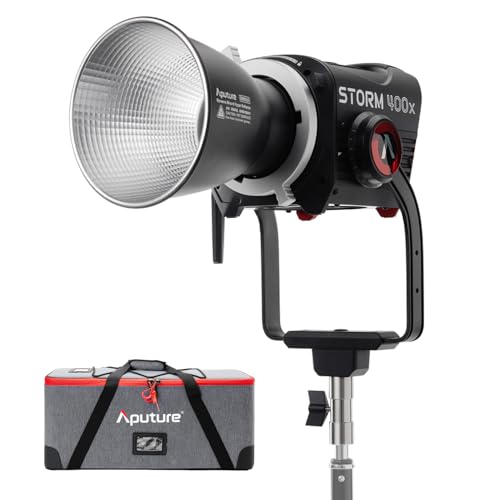
NOTE: To ensure reliable performance, this STORM 400x must be updated to firmware version 1.4 or higher before use.

AD200Pro features an integrated 2.4G radio receiver which enables it to be triggered wirelessly with the Godox X1 triggers and XPro triggers, with a working range of approx. 100m in an open area. There are 3.5mm sync cord jack and wireless control port to achieve multiple triggering methods.
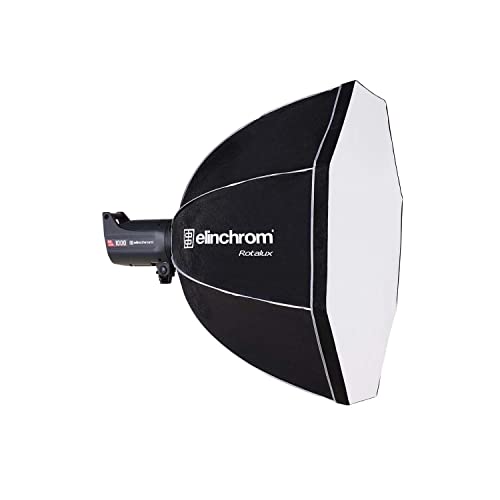
Elinchrom Rotalux softboxes and Elinchrom Rotalux speedrings provide fast, efficient set-up and take down in any location whether it be in studio or out in the field.
When to Use Light Diffusion for Maximum Impact?
You know, light diffusion can really do wonders for your videos. When you use it the right way, it can soften those harsh lighting effects that often ruin great shots, especially in product photography. For instance, if you’re shooting a shiny object, like a bottle or a piece of jewelry, a diffusion material can help minimize those distracting glare spots and enhance the details.
In portrait photography, it gets even better. Think about it: using a diffuser can make your subjects look more flattering by reducing the visibility of any skin imperfections. Imagine taking a close-up shot of a friend on a sunny day—if you position a diffuser, like a soft white sheet, between them and the sun, the light becomes so much softer and gentler.
When you’re shooting outdoors, you can use natural diffusers too! Reflectors or even a canopy can help spread the light evenly, making it much more pleasing to the eye. Just remember to keep your diffusers closer to your subject but away from the direct source of light; this combination really helps create that lovely, balanced light that everyone loves in visuals. So, whether you’re working on a project or just trying to capture some memories, keep light diffusion in mind! Using the right equipment can improve your setup’s overall effectiveness, much like selecting a microphone with a cardioid pattern ensures clear audio capture. What’s next on your list of photography tips?
Frequently Asked Questions
Is Diffused. Light Better for Video Recording?
Diffused light is indeed better for video recording, as soft lighting techniques reduce harsh shadows and enhance visual appeal. Strategic lighting equipment choices, like softboxes, are essential video recording tips for achieving ideal quality and consistency.
What Is Light Diffusion?
Light diffusion is the process of light scattering using diffusion materials to create softer illumination. It employs various lighting techniques to enhance visuals, reducing harsh shadows and glare while providing a balanced and aesthetically pleasing ambiance.
What Is the Purpose of a Light Diffuser?
The purpose of a light diffuser is to enhance light quality, employing diffusion techniques to soften illumination. This transformation cultivates a recording atmosphere that minimizes harsh shadows, ensuring subjects present beautifully on camera.
What Are the Benefits of Using Diffused. Light?
Using diffused light offers numerous benefits, such as soft lighting techniques that reduce shadows, enhancing skin tones for a more flattering appearance. This approach creates a visually appealing atmosphere, improving overall video quality and viewer engagement.