


Lavalier and boom microphones serve different audio needs. Lavalier mics are small, clip-on, and ideal for hands-free use in interviews or presentations, providing clear sound but sometimes picking up rustling noises. In contrast, boom mics, mounted on long poles, excel at capturing dialogue from afar, reducing background noise effectively. I was truly blown away by how well boom mics isolate sound in busy environments. Both types cater to unique recording scenarios, so let’s explore their features even further!
Key Takeaways
- Lavalier microphones are compact, clip-on mics ideal for hands-free use, while boom microphones capture sound from a distance with precision on a pole.
- Lavalier mics are better for interviews and casual settings, while boom mics excel in film and studio environments for clear dialogue capture.
- Sound quality differs; lavalier mics may sound boxy due to close capture, whereas boom mics provide a richer, more open audio.
- Environmental factors matter; boom mics may amplify background noise, while lavalier mics offer clarity in noisy environments.
- Budget considerations favor lavalier mics for affordability; boom mic setups often require more investment for professional results.
Introduction to Microphones: Lavalier vs. Boom

When you’re choosing the right microphone for capturing audio, it’s super important to understand the differences between lavalier and boom microphones. Think of lavalier mics, also known as lapel mics, as tiny, clip-on helpers that free up your hands, making them ideal for interviews and presentations. They sit close to your mouth, so they pick up sound well, but watch out—if they brush against your clothes, that rustling noise can sneak into your recording!
Now, let’s talk about boom microphones, often called shotgun mics. These are mounted on long poles and usually need someone with a bit of skill to operate. They’re fantastic when you want to capture dialogue clearly, especially in noisy or bustling environments because they focus directly on the sound source while reducing background noise. Think about a film set: a boom operator can hover the mic just out of frame to catch crisp dialogue from actors far away. Boom microphones often feature a unidirectional polar pattern, which helps isolate voice from ambient sounds for clearer recordings.
Understanding Lavalier Microphones: Features and Applications

Hey! Have you ever heard of lavalier microphones, or lapel mics as some people call them? They’re these tiny, super handy tools that can really make a difference when capturing audio, especially in situations where you need to be hands-free. Just picture this: you’re giving a presentation, and instead of holding a mic or being stuck behind a podium, you have this little clip-on mic right by your chest, picking up your voice clearly as you move around.
What makes lavalier mics so great is their ability to focus on your voice while cutting down on any background noise. It’s like having a personal sound technician with you! If you’ve ever watched interviews or seen news anchors on TV, they often use these mics. You can easily use them for things like video shoots, podcasts, or even casual conversations. Just be sure to attach them carefully to avoid picking up any clothing rustling—nothing is worse than a clear voice with distracting sounds in the background.
Recommended Products

1.【Lavalier Design】IndoorLink E201 lavalier transmitter features a sleek clip-on design that keeps your hands free and eliminates the hassle of wires. This innovative design sets a new standard in simplicity and style for tour guide systems
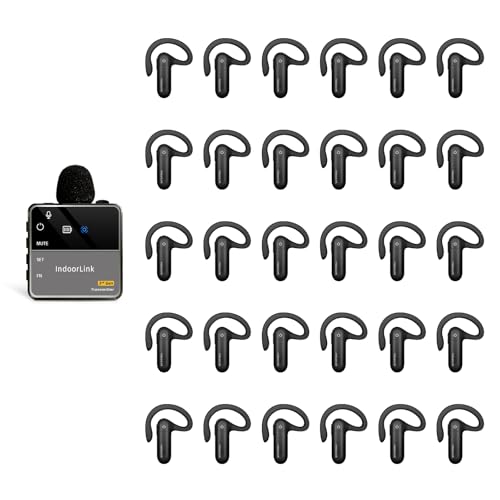
1.【Lavalier Design】IndoorLink E201 lavalier transmitter features a sleek clip-on design that keeps your hands free and eliminates the hassle of wires. This innovative design sets a new standard in simplicity and style for tour guide systems

Sennheiser Pro Audio portable wireless combo set (ew 500 FILM G4-AW+)
Top Benefits of Lavalier Mics for Different Recording Scenarios
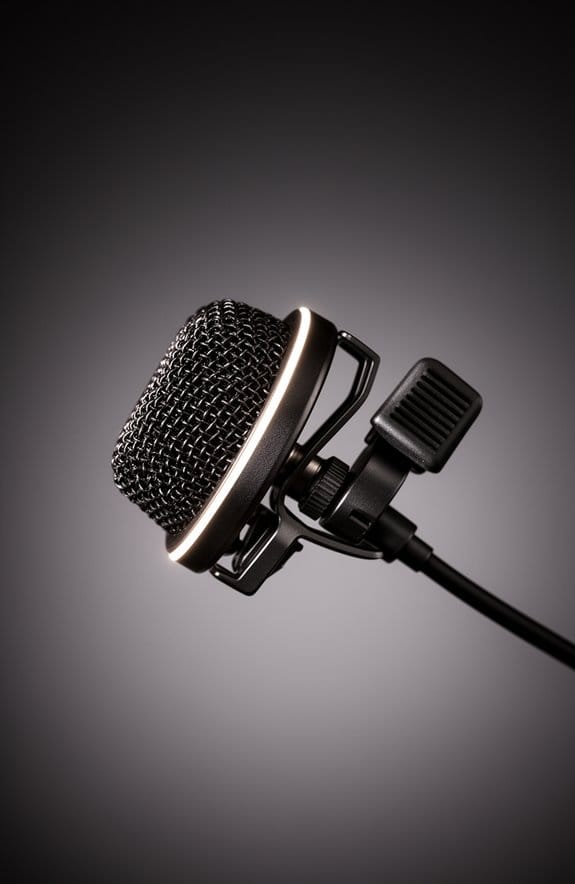
Hey! So, let’s chat about lavalier microphones. These little mics are super handy for all sorts of recording situations because they’re compact and discreet. You can easily hide them, which is perfect for video shoots where you want to keep things looking clean.
One of the coolest things about lavalier mics is how they let you go hands-free. Imagine you’re doing an interview or giving a speech—you can move around comfortably without worrying about holding a mic. They’re great at picking up clear audio while filtering out background noise, which is especially helpful if you’re in a bustling cafe or at an outdoor event.
Plus, you have the option of wired or wireless models. If you’re on stage, a wireless lavalier means you can connect with your audience without being tethered to anything. Picture giving a TED talk and being able to walk around freely while sounding great the entire time! Overall, lavalier mics are reliable and versatile, making them a go-to choice for anyone who needs solid audio in various settings.
Speaking of settings, there are plenty of recording scenarios where choosing the right microphone can truly elevate your project. It’s also important to consider using an audio interface with zero-latency monitoring to ensure you hear your voice in real-time without delay during recordings. Let’s look at some popular use cases!
Recommended Products

COMPLETE CONTENT CREATOR BUNDLE - Includes Canon PowerShot G7 X Mark III camera, 64GB U3 SDXC memory card, wireless lavalier microphone system, hardshell carrying case, multi-card reader, and complete optics cleaning kit.

Bundle Includes: 1 x Sony URX-P41D Dual-Channel Camera-Mount Wireless Receiver (UC14: 470 to 542 MHz)| 2 x Sony UTX-B40 Wireless Bodypack Transmitter with Omni Lavalier Mic (UC14: 470 to 542 MHz) | 2 x Sony ECM-V1BMP Omnidirectional Lavalier Microphone with Locking Sony 3.5mm Connector (Black) | 2 x Mic Clips | 2 x Windscreens | 3 x Belt Clips | Shoemount Adapter for Receiver | 2 x XLR to Locking 3.5mm Output Cables | 3.5mm to Locking 3.5mm Cable | MDR 7506 Professional Stereo Headphones | Gob

AVX 1.9GHz Digital Wireless System with Lavalier Microphone
Exploring Boom Microphones: Key Features and Use Cases
Hey there! Have you ever heard about boom microphones, sometimes called shotgun mics? They’re fantastic tools that can pick up sound from a distance while cutting out all that annoying background noise. That’s because they focus on sound coming from a specific direction. It’s like having a natural sound isolator!
When using a boom mic, it’s usually attached to a long pole or a boom arm. This setup lets skilled operators position the mic really close to the person speaking without getting in the way of the camera shot. Imagine filming an intense scene where actors are talking just off-screen; the boom mic can capture their dialogue perfectly while staying out of sight.
Boom microphones also shine in studio settings, where they deliver high-quality audio in a controlled environment. For instance, during a podcast recording, a boom mic can neatly capture the host’s voice while still maintaining clarity and depth. Plus, the way they can catch ambient sounds adds a nice richness to any audio project. It’s no wonder audio professionals love using them!
Much like inspection cameras combine advanced illumination options to improve visibility, boom mics benefit from careful positioning and directional focus to enhance the clarity of sound they capture.
Recommended Products
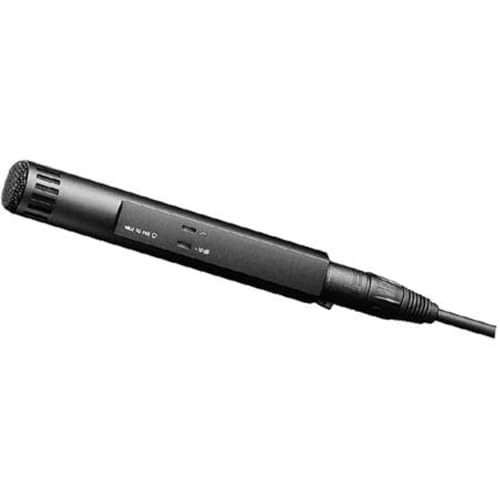
RF microphone (supercardioid condenser)
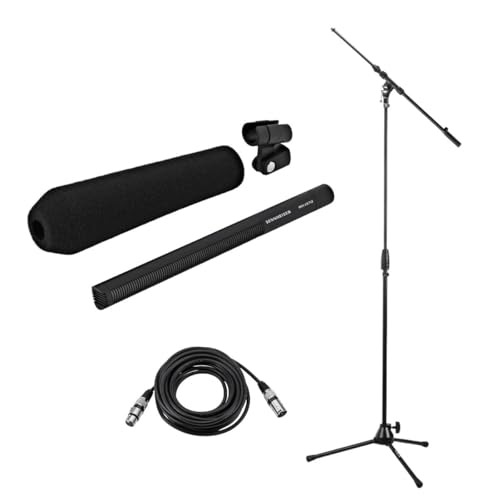
SENNHEISER MKH-416 SHORT INTERFERENCE TUBE MICROPHONE BUNDLE INCLUDES: (MZW 415) Windshield | H&A Tripod Microphone Stand with Telescoping Boom | Value Series XLR M to F Professional Microphone Cable - 25'

Key Advantages of Boom Microphones in Film and Live Audio Production
Hey! So, if you’re curious about audio production, boom microphones are pretty fascinating, especially shotgun mics. They’re super effective at capturing sound from a specific direction, which means you get a clearer quality, especially when you’re recording dialogue. For example, if you’re filming a scene in a busy park, the boom mic can focus on the actors’ voices while minimizing the chatter and noise from the background.
Another cool thing about boom mics is their versatility. You can position them close to the sound source without getting in the way of the camera, which is crucial when filming multiple actors or chaotic scenes. Skilled boom operators really know how to move the mic around to get the best sound, constantly adjusting their position to keep the audio balanced and clear. Plus, boom microphones usually have a richer tonal quality compared to lavalier mics, which can sometimes pick up annoying sounds like clothing rustling.
Additionally, using high-quality recording equipment with features like high color accuracy can enhance the post-production process by providing better visual-audio synchronization and editing options.
Recommended Products

Product Type :Sound And Recording Equipment

The Rode Broadcaster microphone has a 1 inch HF2 capsule with gold plated diaphragm for premium audio quality and ultra low noise.

PROFESSIONAL SUPERCARDIOID/LOBAR SHOTGUN MICROPHONE – Engineered for cinema-grade audio capture with an ultra-focused pickup pattern that isolates on-axis dialog while reducing side and rear noise, making it ideal for film sets, ENG, EFP, interviews, documentaries, streaming, and controlled or uncontrolled shooting environments requiring high directionality and clarity.
Comparing Sound Quality: Lavalier vs. Boom Microphones
So, let’s talk about sound quality when it comes to lavalier and boom microphones. You know how lavalier mics, those tiny clip-on ones we often see in interviews, are great for cutting out background noise? They do a fantastic job of picking up dialogue directly from the speaker’s chest, which really helps when there’s a lot going on around. But there’s a catch—because they are omnidirectional, they might also catch unwanted sounds, sometimes making the audio feel a bit boxy.
On the flip side, boom microphones usually deliver a richer sound. Since they capture audio from a distance, you get a more open and clear tonal quality. For instance, if you’re filming a scene outdoors at a busy park, a boom mic can help you focus on what your actors are saying while minimizing the background chatter. Just keep in mind that positioning matters a lot. You’ll need to monitor the mic’s placement closely, especially if multiple people are speaking.
Additionally, many wireless lavalier mics come equipped with noise-canceling technology that enhances sound clarity by reducing ambient noise.
Best Use Cases for Lavalier and Boom Microphones
Hey there! Have you ever wondered when to use lavalier and boom microphones? Each has its own strengths, depending on the scenario. For instance, lavalier microphones work wonders in bustling settings like interviews or live presentations. They clip onto your clothing, letting you move around freely while keeping your hands free. Imagine doing a lively Q&A at an event where you can easily gesture and engage with the audience without worrying about holding a mic.
On the flip side, boom microphones shine in more controlled environments, like on a film set. These mics can pick up rich, natural sounds from a good distance away, making them perfect for dramatic close-up scenes. Picture a gripping dialogue between two actors, and the boom mic captures every subtle nuance in their voices without interrupting the camera framing.
Now, if you’re ever recording a panel discussion, lavalier mics are a smart choice since they can pick up each speaker individually, while boom mics can be trickier to position without getting in the way of the camera. Ultimately, the right microphone choice hinges on the context and what you’re trying to capture. So, next time you’re planning a shoot or an event, think about which mic would best fit the scene! For optimal audio, consider microphones with advanced noise cancellation to reduce unwanted background sounds and ensure clear recordings.
Choosing the Right Microphone: Factors to Consider
Hey there! Let’s chat about how important it is to choose the right microphone for sound quality and clarity. It might surprise you how much of a difference this choice can make! For instance, think about lavalier mics versus boom mics. Lavalier mics are those tiny ones you clip onto your shirt, and they do a great job of isolating sound, especially in noisy environments. So, if you’re filming in a crowded place, a lavalier might be your best bet.
On the flip side, boom mics, which are mounted on a long arm, are fantastic for capturing audio in quieter settings. They tend to produce a much more natural sound because they can pick up the overall ambiance of a room. If you’re doing interviews with multiple speakers, boom mics can really shine here as they allow for smooth transitions between speakers. But if you’re interviewing someone one-on-one and want to keep things hands-free, lavalier mics are definitely the way to go.
Don’t forget about your surroundings! The acoustics of the room can affect your audio quality too. Boom mics capture ambient sounds beautifully, but that can be a double-edged sword if there’s a lot of background noise. Let’s not overlook budget either. Lavalier mics are typically more wallet-friendly, but investing in a high-quality boom setup can lead to fantastic results. So, be sure to choose wisely to get the best audio experience for your needs! Additionally, ensuring you have proper portable lighting setups can significantly enhance your overall production quality. Now, let’s explore how to connect your microphone to your devices.
Recommended Products

Bundle Items Include: RODE RODECaster Video All-in-One Production Console, RODE Wireless PRO 2-Person Clip-On Wireless Microphone with Lavaliers (2.4 GHz), 64GB Micro SD Memory Card, 10 Foot XLR, Cable Management Ties, Video Cable, 1/4 TRS, Microfiber Cloth
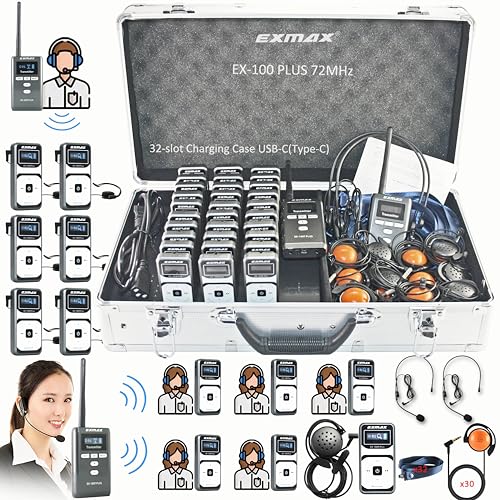
The EXMAX wireless audio transmission system could transmit voice of who speak to the microphone of transmitter to the ones who wear earphone of receivers,transmission distance is about 100 meters (328ft).40 frequency channels mean it has 40 select IDs allow at least 10 groups to work simultaneously.Widely used for field trip,tour exhibit guides,sermon interpretation,work-study,conferences,translation,audio visual laboratory,events for church,family,restaurants,hajj...

Digital wireless eliminates noise, interference and static bursts
Final Thoughts: Selecting the Best Microphone for Your Needs
Choosing the right microphone for your needs can definitely seem overwhelming, especially with so many choices out there. If you’re torn between boom and lavalier microphones, think about what you really need. Lavalier mics are fantastic for busy environments; they clip onto clothing and let speakers move around freely, which is super handy for interviews or presentations. On the other hand, if you’re looking to achieve that rich, natural sound—especially in a quieter setting—boom mics are your best bet. They capture dialogue with impressive clarity, making them great for film or video work.
Now, consider the number of speakers you’ll have. If you’re hosting a roundtable discussion, lavalier mics can get complicated with so many clips and cords involved. Boom mics, however, can easily accommodate multiple speakers without all that fuss. Oh, and let’s not forget about your budget! While you might find affordable lavalier options that need extra accessories, putting a little more into a quality boom mic can really pay off in terms of sound quality. So, by thinking about these factors—your environment, the number of speakers, and your budget—you’ll navigate the mic selection process more smoothly.
Now, let’s take a closer look at how to match your microphone choice with the kind of recording you’re planning to do. It’s also important to consider the range and battery life of wireless microphone systems when planning your setup to ensure reliable performance throughout your recording session.
Frequently Asked Questions
Is Boom Mic Better Than Lavalier?
While boom microphones offer superior sound quality and broad applications, lavalier advantages in portability and discreet usage scenarios can make them preferable. Each has distinct benefits; therefore, cost comparison and intended use ultimately dictate the choice.
What Are the Cons of Boom Microphones?
Boom microphones face cons such as setup complexity, mobility issues, and handling noise, which can diminish audio quality. Additionally, they are susceptible to wind interference and require careful positioning to avoid capturing unwanted background sounds.
What Is a Boom Style Microphone?
A boom microphone, or boom mic, is designed for capturing high-quality audio from a distance. Its advantages include focused sound capture, while disadvantages involve setup complexity and placement challenges, particularly when compared to handheld microphones.
What Are the Three Main Types of Mics?
In the vast galaxy of sound capture, three titan types reign supreme: dynamic microphones, thriving in chaos; condenser microphones, delicate yet powerful; and ribbon microphones, whispering sweet warmth. USB microphones bridge convenience and quality, ensuring everyone’s voice can soar.


