


Optical zoom uses physical lens adjustments to magnify images, preserving image quality and clarity, which is especially beneficial for distant subjects; for example, it can yield crisp photos up to 3840 x 2160 pixels. In contrast, digital zoom crops and enlarges, often leading to pixelation and loss of detail. While optical zoom excels in low-light settings, digital zoom offers convenience for casual shots. Each type serves unique purposes, and further exploration reveals practical insights into making the right choice.
Key Takeaways
- Optical zoom uses physical lens movement to magnify images without losing quality, ideal for capturing distant subjects clearly.
- Digital zoom crops and enlarges a portion of the image, often resulting in loss of detail and clarity, especially in low light.
- Optical zoom excels in challenging lighting conditions, maintaining sharpness and detail, making it preferred for serious photography.
- Digital zoom enhances convenience for casual photographers, allowing quick adjustments and spontaneity without needing additional equipment.
- Choosing the right zoom depends on photographic needs; optical is best for quality, while digital offers portability for everyday use.
What Is Optical Zoom and How Does It Work?

Hey! Have you ever heard of optical zoom? It’s a fascinating feature in high-quality cameras that really takes your photography to the next level. Basically, optical zoom works by physically moving the lens elements to change the focal length. This means you can zoom in on your subject without losing image quality, unlike digital zoom, which just crops the photo.
Think about it like this: when you use optical zoom, the lenses bend the light to magnify the image before it reaches the camera sensor. So, if you’re taking pictures of a distant bird in a tree or want to capture a detail from a busy street scene, optical zoom lets you do that while keeping the resolution sharp—like 3840 x 2160 pixels, no matter how much you zoom in.
Now, sure, cameras with optical zoom tend to be larger and pricier, but the detailed images you can capture, especially in areas like wildlife photography or surveillance, make them worth it. It’s all about those fine details, right? So, next time you want to get up close and personal with your subjects, consider a camera with this impressive feature. It’s definitely a tool that can inspire some incredible photography adventures! Additionally, pairing optical zoom with advanced image sensors can provide even greater flexibility and image clarity in various shooting conditions.
Recommended Products

Fixed F4 aperture throughout the entire zoom range

World’s lightest1 600mm super-telephoto full frame wide-aperture F4 lens
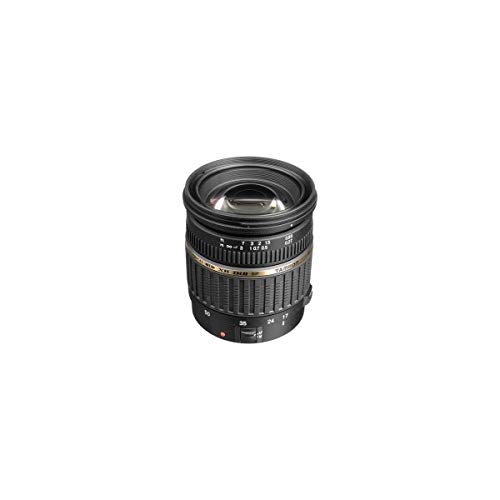
Construction: 13 Groups/ 16 Elements Diaphragm: 7 blades
The Mechanics of Digital Zoom Explained

Hey! So, let’s chat about digital zoom for a moment. While a lot of photographers swear by optical zoom because it gives you that sharp, clear image quality, digital zoom definitely has its perks too. Basically, digital zoom works by cropping a part of the image that’s captured by the camera sensor and then making it bigger to give you that zoomed-in effect.
But here’s the catch: as you zoom in digitally, you usually start to lose details, and the image can look pixelated or blurry. Think of it like trying to stretch a smaller picture to fit a larger frame—it just doesn’t look as good. Some cameras use smart techniques called interpolation algorithms to fill in those missing bits, but even that can’t fully save the day, especially when the lighting isn’t great. For example, if you’re at a concert and trying to get a shot of your favorite band far on stage, you might find that digital zoom just doesn’t cut it compared to using optical.
On the bright side, if your camera has a high-resolution sensor, that can help keep some of the quality intact when you zoom digitally. Plus, since digital zoom doesn’t mess with the lens mechanics, it’s often a more straightforward and budget-friendly option for compact devices, which is pretty handy for everyday moments. It’s just something to keep in mind when you’re out shooting! Now, speaking of shooting, let’s dig into some tips on lighting to help improve your images overall. For users interested in surveillance, digital zoom combined with high resolutions can enhance image clarity despite the loss in optical quality.
Comparing Image Quality of Optical and Digital Zoom

When you’re talking about image quality, you’ve got to pay attention to optical zoom. It’s a standout feature because it uses special lenses to magnify your subject without cutting into the image or losing clarity. For example, if you take a photo at 3840 x 2160 resolution with optical zoom, you’ll get a crisp, clear image that lets you see every detail.
On the flip side, digital zoom is more like blowing up a picture on your computer—it just stretches the pixels. This often leads to blurry images, especially when you zoom in a lot. Think about a situation where you’re trying to capture something important, like a license plate at a distance in a surveillance system. Here, optical zoom shines because it works well in low light and keeps the quality high, while digital zoom might introduce graininess and noise.
For stuff like medical imaging or scientific photography, you really want the precision that optical lenses provide. Digital zoom has its place, but it’s better suited for casual shots where exact detail isn’t as critical. As you consider your options, keep these differences in mind—they could make all the difference in your photography experience! Many security cameras optimize image quality through high-resolution cameras that maximize the benefit of optical zoom even in challenging light conditions.
Recommended Products

STUNNING VIDEO QUALITY – The Canon CR-N500 Remote PTZ camera delivers advanced performance and outstanding 4K 30p and Full HD 60p video output thanks to a 1" CMOS sensor, DIGIC DV 6 image processor, and Dual Pixel CMOS AF for fast, reliable, and precise auto focus

Bundle Includes: 2 x PTZOptics Move 4K SDI/HDMI/USB/IP PTZ Camera with 20x Optical Zoom (Gray), 1 x PTZOptics PT-JOY-G4 IP/Serial Joystick Controller (4th Generation)

Bundle Includes: 2 x PTZOptics Move 4K SDI/HDMI/USB/IP PTZ Camera with 30x Optical Zoom (Gray), 1 x PTZOptics SuperJoy NDI|HX/IP & Serial PTZ Camera Joystick Controller
Top Use Cases for Optical Zoom Benefits
Have you ever thought about the benefits of optical zoom? It’s pretty amazing how it enhances various fields. Take medical imaging, for instance. With optical zoom, doctors get high-resolution images during minimally invasive procedures, which really helps them make accurate diagnoses. It’s like having a super-powered set of eyes that can zoom in and provide perfect clarity.
Now, think about surveillance cameras. They rely heavily on optical zoom to maintain sharp image quality even when capturing subjects from far away. This is crucial for security operations, as it helps identify people clearly without compromising the view.
Wildlife photographers also love optical zoom because it allows them to snap stunning photos of animals without getting too close, which means they can capture those intimate moments in nature without disturbing the creatures. And if you look at industrial inspections, technicians can use optical zoom to examine tiny parts on machines closely, making sure everything meets quality control standards.
Lastly, in educational settings, optical zoom plays a vital role in microscopy, helping students see intricate microstructures in detail. It’s fascinating how this technology meets so many different needs! Each of these examples showcases how versatile and essential optical zoom is in today’s world. Pretty cool, right? Additionally, technologies that incorporate adjustable height features often emphasize user comfort and precision, similar to how optical zoom enhances clarity in various applications.
Recommended Products

Dual-Spectrum Clarity – Day or Night 🌗 Combining an industry-leading 1280×1024 thermal sensor with a 4K digital optical channel, this dual-spectrum system offers unmatched precision for 24/7 operations. Detect heat, confirm visuals, and adapt seamlessly to changing light conditions.
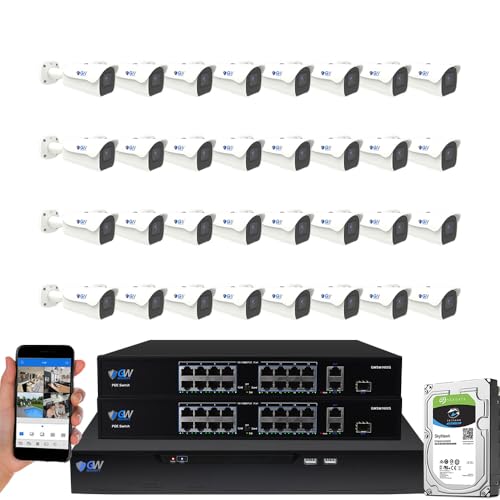
8-Megapixel with 3840x2160 Ultra High Resolution 4K Video & Audio 32 Channel 6K 12MP NVR Security Camera System with (32) 4K (8MP) Weatherproof 2.8-12mm Motorized Zoom H.265+ PoE IP Bullet Camera
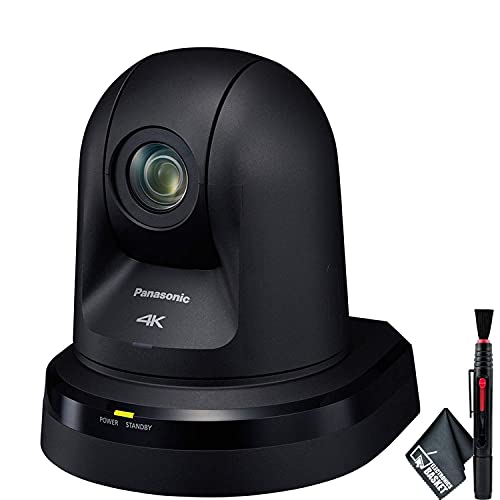
Superior Sensors: 1/2.3" Type MOS Sensor | UHD/HD Capture
What to Watch Out for With Optical Zoom?
Hey there! So, let’s chat about optical zoom cameras. These beauties really shine when it comes to capturing detailed images from a distance. But there are a few important things to keep in mind. For starters, the lens has to move mechanically to zoom in, which can sometimes make adjustments a bit slower than digital zoom. So, it’ll take a little patience if you want that perfect shot.
Now, the great thing about optical zoom is that it keeps your images crisp and clear, even when you’re zoomed in. This might be why professional wildlife photographers prefer using optical zoom over its digital counterpart, especially when they’re trying to snap a clean shot of a rare bird perched far away. The downside? The fancy gear that makes all this possible can often cost more and take up more space in your bag.
Another point to consider is how well these cameras perform in low-light situations. They often deliver sharper images, which is a huge win if you’re capturing a sunset or a night scene. Just remember that using a longer zoom can make your shots shakier, so it might be worth investing in a tripod or brace yourself when you’re aiming for that long shot! By the way, have you ever noticed that digital zoom can make pictures look pixelated? That’s another area where optical zoom excels. If you take your time setting up, you’ll usually end up with a detailed, vibrant image. Many 4K cameras also include features like anti-shake technology to help reduce shakiness when using zoom.
Everyday Benefits of Digital Zoom
Hey there! Let’s talk about digital zoom and how awesome it is for everyday photography. You know, having digital zoom on your camera or smartphone makes it super easy to snap spontaneous moments without fussing around with changing lenses or lugging extra gear. For instance, if you’re at a family gathering and want to catch that perfect candid shot of your kids playing, you can just zoom in and capture the moment right away.
Digital zoom is particularly handy when you want to focus on a specific subject while keeping a broader view of your surroundings. Imagine you’re on a hike and spot a beautiful flower you want to capture—just zoom in to highlight it without losing the stunning landscape in the background. And since digital zoom is a feature that’s widely available today, it makes photography accessible for everyone, regardless of experience.
Plus, using simple gestures like pinch-to-zoom on your phone can make focusing a breeze. This is fantastic for those just starting out in photography. With all these easy-to-use features, you can feel more confident capturing life’s little moments without overthinking it. So, next time you’re out and about, remember that digital zoom can be your painting tool for your everyday adventures! It’s also worth noting that some waterproof vlogging cameras offer advanced electronic image stabilization, which helps keep your zoomed shots smooth and clear even on the move.
Recommended Products

NEW LEICA Q2 DF Camera Bundle Includes:

NEW LEICA Q2 DF Camera Bundle Includes:
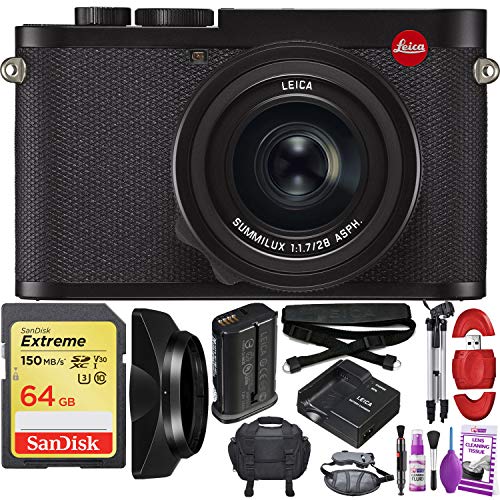
NEW LEICA Q2 DF Camera Bundle Includes:
Limitations of Relying on Digital Zoom
You know, relying on digital zoom can really throw a wrench in your photography plans! It sounds tempting to just zoom in on your subject, but here’s the catch: digital zoom works by cropping your photo and making it bigger. This process not only decreases image quality, but it also leads to pixelation, which can totally ruin what might have been a great shot. For example, if you’re trying to take a close-up of a flower or a distant bird, that extra zoom can turn your crisp image into a blurry mess.
Now, picture this: you’re out in low light, maybe at dusk, and you try using digital zoom. The camera’s interpolation techniques kick in, but instead of sharp details, you end up with images that are noisy and lack clarity. This blurry effect can make it difficult to capture those fine details you want, especially if you’re using it for something specific like spotting flaws in a product or taking medical imagery. Plus, once you zoom in, it’s tough to go back to the full view. So, if the sensor resolution of your camera isn’t high enough to start with, you’ll end up with a frustratingly low-quality image.
In the end, the higher you zoom, the more you risk losing out on what makes your shot special. If you’re keen on capturing those stunning details, it might be better to invest in a camera with optical zoom instead. This way, you can maintain quality while getting a closer look at your subjects! Additionally, having proper adjustable lighting like ring lights can enhance image clarity, especially in challenging shooting conditions.
How to Choose Between Optical and Digital Zoom?
Choosing between optical and digital zoom can feel a bit tricky, but it’s all about understanding what each type offers and how they fit your photography style. If you’re after high image quality, especially in low-light settings like night scenes or capturing interesting wildlife, then optical zoom is your best buddy. It allows you to zoom in without losing sharpness or detail, which is super helpful when you want that crisp, clear shot in tricky lighting.
On the flip side, digital zoom can be a good option for those casual moments—think family gatherings or holiday trips—where you just need to get a little closer to your subject without spending a fortune on fancy gear. Plus, cameras with digital zoom often come in sleeker, more compact designs, making them easier to carry around during your travels.
And if you’re the kind of person who likes intuitive controls and satisfying image quality, you’ll definitely appreciate the clarity that comes with optical zoom. It’s not just about how far you can zoom in, but how the image looks once you do. So the next time you’re choosing a camera or lens, think about where you’ll be using it most and what kind of photos you want to capture. That will help you find the right mix of budget and performance that suits your needs! Additionally, for streaming or video, using a camera with optical zoom capabilities ensures better image quality without the blur associated with digital zoom.
Recommended Products

Telephoto zoom lens that builds on the legacy of the popular EF300mm f/2.8 lens.

Professional super-telephoto zoom with Nikon's first built-in selectable 1.4x teleconverter

L Mount Lens/Full-Frame Format Aperture Range: f/2.8 to f/22
Frequently Asked Questions
Which Is Better, Optical Zoom or Digital Zoom?
In the domain of photography, optical zoom typically prevails over digital zoom, offering superior image clarity and enhanced visual experience due to lens quality. User preferences and equipment costs, however, influence the choice based on specific usage scenarios.
Which Is Better Optical or Digital Zoom Projector?
Optical zoom projectors generally outperform digital zoom models regarding projection distance, image stability, and zoom clarity. Their superior lens type and aperture size guarantee better picture quality and resolution impact, aligning with user preference for professional settings.
Does Optical Zoom Reduce Quality?
Ironically, optical zoom enhances image clarity, maintaining high photo resolution regardless of shooting distance. Despite zoom limitations, it adjusts focal length without pixel degradation, ensuring excellent lens quality even in low light performance and subject framing.
What Are the Disadvantages of Digital Zoom?
Digital zoom suffers from image resolution loss, leading to cropping effects and pixelation issues. Such limitations impact low light performance and overall quality, reducing editing flexibility and effectiveness in smartphone photography compared to optical alternatives.


