


When choosing between single lens and interchangeable lens systems, consider your needs. Single lens cameras are simple, ideal for beginners, and great for portability. They inspire creativity with fixed focal lengths. Conversely, interchangeable lens systems offer versatility, allowing photographers to adapt their lenses for different settings and styles. Though they may have higher initial costs, they are a long-term investment. Understanding these differences can help make an informed decision. Discover more about their features and benefits.
Key Takeaways
- Single lens cameras are more user-friendly and portable, making them ideal for beginners focusing on simplicity in photography.
- Interchangeable lens systems offer flexibility, allowing photographers to switch lenses for various styles, leading to greater creative possibilities.
- Single lens cameras typically have a lower entry price but may incur additional costs for accessories over time.
- Interchangeable lens systems, while costlier upfront, serve as a long-term investment by allowing upgrades without needing a new camera body.
- For travel photography, mirrorless cameras are lightweight and compact, whereas DSLRs provide longer battery life for extended shooting sessions.
What Are the Key Differences Between Single Lens and Interchangeable Lens Systems?

So, what’s the real difference between single lens cameras and interchangeable lens systems? Well, single lens cameras come with a fixed lens, which means they offer a specific field of view that can really spark your creativity. For instance, if you’re shooting with a camera that has a 50mm lens, you’ll get a nice perspective perfect for portraits or street photography, but that’s all you have. This can actually help you get more creative with your composition since you have to work within those limitations.
On the flip side, interchangeable lens systems give you the flexibility to switch lenses based on what you want to capture. Want to take wide landscapes? Slap on a wide-angle lens. Need a zoom for wildlife photography? Grab a telephoto lens. This variety not only expands your creative options but can also enhance your technical skills as you get to experiment with different focal lengths and perspectives.
Another thing to consider is the image quality. Interchangeable lens systems often have larger sensors—these generally produce sharper images with better detail, especially in tricky lighting. But here’s the catch: you’ll usually spend more upfront because you need to buy different lenses and potentially invest in a camera body that supports them. Single lens cameras, on the other hand, are generally more budget-friendly, making them a great choice for beginners.
Ultimately, both camera types serve different purposes and cater to different preferences. Whether you lean toward the creativity of a single lens or the versatility of interchangeable lenses, knowing your needs is what will guide your decision. Now, let’s chat about how these cameras handle different shooting conditions!
For streamers and content creators, using cameras with Low latency performance can be crucial for seamless live broadcasting.
What Are the Advantages of Fixed Lens Cameras for Beginners?

Hey! If you’re just starting on your photography journey, have you thought about using a fixed lens camera? They’re a fantastic choice for beginners because they combine simplicity with great image quality. You won’t have to worry about swapping lenses or carrying around a bulky setup. Just pick it up, point, and shoot!
One of the things I love about fixed lens cameras is how portable they are. You can easily slip one into your bag or even a jacket pocket, which is perfect for spontaneous adventures or travel moments. Plus, even though they’re compact, many of them deliver image quality that’s comparable to entry-level DSLRs. This means you can focus on learning the basics, like how to compose your shots and understand exposure without feeling overwhelmed.
Using a fixed lens also helps you think creatively. Since you’re working with a single focal length, you’ll naturally start to pay more attention to how you frame your photos and find unique angles. For instance, if you’re shooting a bustling street scene, you might choose to capture it from a low perspective to emphasize the movement around you. It’s all about developing your eye for composition! Additionally, many fixed lens cameras offer digital image stabilization to reduce shaky footage, making your photos and videos look sharper and more professional.
Recommended Products

Great Photography Every Day, Everywhere: X100V features a newly designed, incorporated 23mmF2 lens, ensuring you preserve those special moments at maximum resolution with minimal distortion. It also offers an improved close focusing performance compared to previous X100 models, and, for the first time in the X100 line, you can keep making images even in the toughest conditions when you attach the optional adapter ring with the weather-sealing protection lens (sold separately). This outstanding lens retains the same slim line design as other X100 models, so it retains compatibility with existing WCL and TCL lens attachments.

Compact, high-quality Lens with broad zoom range for the EOS R system

Battery Life(Approximately) 320 shots for Still image or 190 minutes for Playback or 45 minutes for recording movies; Continuous shooting approximately 4 frame per second
Why Choose Interchangeable Lens Systems for Versatile Photography?

Hey there! If you’re getting into photography, you should really consider the benefits of using interchangeable lens systems, like DSLRs or mirrorless cameras. What’s great about these setups is that they let you swap out lenses depending on what you want to shoot, giving you so much freedom to explore different styles. For instance, if you’re capturing vast landscapes, you can easily switch to a wide-angle lens, and when it’s time for some close-up portraits, you can grab a telephoto lens instead.
Another cool thing about mirrorless cameras is how fast their autofocus technology has become. Imagine shooting a fast-moving subject, like kids playing soccer, and the camera locks onto them quickly and accurately—that’s super helpful if you want to catch the perfect moment. Plus, these interchangeable lens systems typically support high-quality lenses, which means you’ll be able to snap really detailed images, even in tricky lighting.
As you continue your photography journey, you’ll find that building up a collection of lenses can be a fun and rewarding process. You can choose lenses that fit your style over time—so if you take up wildlife photography one day, you can invest in a good zoom lens without having to buy a whole new camera system. It really lets you adapt to different scenarios without emptying your wallet! Additionally, many interchangeable lens cameras offer user-friendly interfaces that make navigating settings and shooting more intuitive. So, now that you have an idea of why interchangeable lens systems are worth considering, let’s dive into some tips for choosing the right lenses for your needs.
Recommended Products

50.1MP* full-frame stacked Exmor RS CMOS sensor w/ integral memory
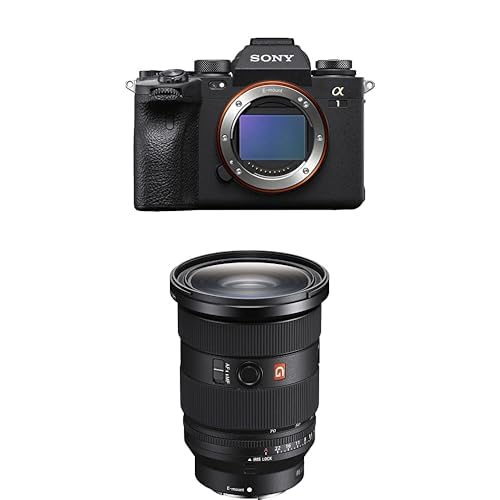
50.1MP* full-frame stacked Exmor RS CMOS sensor w/ integral memory

Sony’s extensive high-performance G Master line work with the 50.1 megapixel*1 Exmor RS image sensor and BIONZ XR image processing engine to create deep, lifelike, high-resolution rendering. The sensor’s high pixel count means that resolution is still a very impressive 21 megapixels (approx.) when shooting in APS-C mode or cropping to APS-C size after shooting.
How Do Pricing Structures Compare Between Single and Interchangeable Lens Cameras?
So, when you’re trying to figure out how to compare the pricing of single lens cameras versus interchangeable lens systems, it really helps to understand the basics. Single lens cameras typically have a lower starting price because everything you need is built into one package. For instance, you can pick up an affordable zoom lens camera for under $500, which is great for getting started. But remember, while you’re saving money upfront, there are some ongoing costs you might not think about right away.
On the other hand, interchangeable lens systems let you swap out lenses for different situations or photography styles. These systems can be budget-friendly at first as well, especially if you opt for a beginner kit. You might find entry-level options around $600. But one advantage here is that you have the flexibility to upgrade your gear over time. For example, if you start with a basic lens and later decide you want to capture stunning portraits, you can invest in a quality 50mm lens without needing to buy a whole new camera.
In the long run, while single lens options can be tempting because of their low initial cost, interchangeable systems might be a smarter investment, especially if you envision expanding your photography skills. Think about it: investing in different lenses over time could really help you hit your photography goals more effectively. Additionally, many cameras now come equipped with flip screens that simplify vlogging and content creation, adding extra value to your purchase. So, as you weigh your options, consider not just the upfront costs but also where you want your photography journey to take you. Shall we explore which specific lenses might work best for different styles?
Recommended Products
20. 1MP 1" MOS Sensor

A partially stacked Exmor RS CMOS image sensor features high-speed circuitry above and below the sensing layer. Sensor readout is approx. 4.5 x*1 faster than the α7 IV, maximum shutter speed is 1/16000 s, *2 blackout-free bursts at up to 30 fps are available with AF/AE tracking, *3 and video can be recorded at 4K 120p.*4 This advanced sensor contributes up to an unprecedented 16 stops of dynamic range*5 with smooth gradations.

How Does Lens Choice Affect Your Photographic Style?
What really shapes a photographer’s style? Well, one important factor is the choice between using a single lens or an interchangeable lens system. When you stick to a single lens, you tend to focus your storytelling. For example, with a fixed focal length lens, you often have to get creative with how you frame your shots, especially in street photography. You’re forced to get closer to your subjects, which can create a sense of intimacy in your images.
On the other hand, an interchangeable lens system gives you a wider range of options. You can play around with different focal lengths and specialized lenses, like a wide-angle for landscapes or a telephoto for capturing distant subjects. This versatility can definitely help you express a variety of styles. But with so many choices, it’s easy to feel overwhelmed. Think about what kind of photography excites you, and experiment with different lenses to find out what truly suits your artistic vision. Ultimately, your choice in lenses will help shape your unique photographic style as you grow.
Speaking of growth, let’s explore how aspects like lighting can further enhance your photography! Additionally, just as choosing the right lens impacts your style, using equipment with high bandwidth capabilities ensures your creative work is presented with optimal clarity and detail.
Which Camera System Is Best for Travel Photography?
When it comes to travel photography, finding the right camera system is key, and I’d say mirrorless cameras are a fantastic choice. They’re usually lighter and more compact than DSLRs, which is a big plus when you’re lugging around gear while exploring new places. For instance, if you’re hiking in the mountains or wandering through a bustling city, a mirrorless camera won’t weigh you down. Plus, their autofocus is seriously impressive, so you can easily snap photos of moving subjects, like a street performer or wildlife, in an instant.
Another cool feature of mirrorless cameras is their electronic viewfinders. They show you helpful information that can guide your composition, making it easier to frame the perfect shot. And let’s not forget about the lens options available—there are some great versatile zoom lenses that can handle everything from sweeping landscapes to close-ups of local cuisine.
That being said, don’t count out DSLRs just yet! They have longer battery life, which can be a lifesaver on extended trips where charging might be tricky. Plus, if you’re on a budget, it’s easier to find good used lenses for DSLRs. So, depending on your travel style—whether you prefer the lightweight convenience of mirrorless or the endurance of a DSLR—you’ll find a system that suits your needs. Ultimately, it boils down to what fits your adventures best! Many action cameras also offer extended recording capabilities that can complement your primary camera gear when capturing dynamic moments on the go.
Recommended Products

UNRIVALED IMAGE QUALITY - Experience stunning detail with the 100MP medium format sensor, capturing images with exceptional clarity and depth for professional-grade results.

This Canon Camera Bundle comes with a 1-Year Canon Manufacturer Warranty.

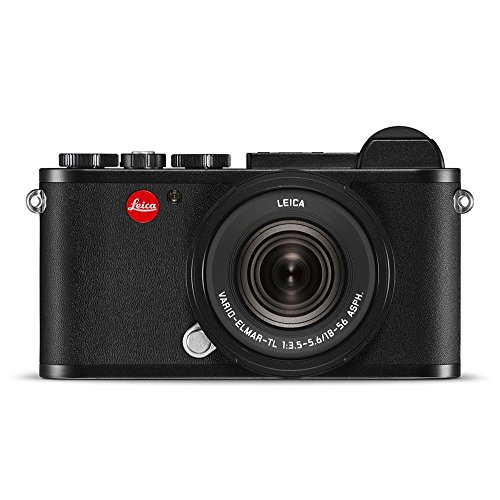
Compact, portable rangefinder style design delivers classic camera handling
Frequently Asked Questions
What Is the Advantage of Having Interchangeable Lenses?
Interchangeable lenses offer remarkable versatility benefits, enabling photographers to explore diverse photography styles. With lens compatibility and creative options tailored to user preferences, they also allow gradual investments that align with cost considerations, expanding possibilities with each lens acquired.
Which Lens Should I Choose?
The choice of lens depends on user experience, prioritizing lens compatibility, desired focal length, and aperture effect. Budget considerations and weight comparison also influence the decision, ensuring ideal performance within intended shooting scenarios.
Is F 2.8 or F 4 Better?
In the domain of photography, f/2.8 often reigns supreme for low light and background blur, enhancing subject isolation. However, f/4 offers advantages in edge sharpness, mitigating lens distortion, and improving depth perception in landscapes.
What Are the Advantages of Single Lens Reflex Camera?
The advantages of single lens reflex cameras include exceptional image clarity, focus precision, and lens durability. Their low light performance and faster shutter speeds provide photographers with enhanced creative control, making them ideal for diverse shooting conditions.


