


When comparing APS-C and full-frame sensors for vlogging, both have unique advantages. APS-C sensors, measuring about 22.2×14.8mm, are lightweight and great for travel, while full-frame sensors, at 36x24mm, excel in low light. This difference means full-frame cameras capture richer details in dim environments. The crop factor of APS-C can limit wide-angle choices, but a fast lens brings lovely bokeh. As you explore further, you’ll uncover more valuable tips and insights to enhance your vlogging setup.
Key Takeaways
- Size and Weight: APS-C sensors are more compact and lightweight, ideal for spontaneous vlogging without compromising portability.
- Low-Light Performance: Full-frame sensors excel in low-light settings, providing clearer, richer images with less graininess, enhancing overall video quality.
- Crop Factor Impact: The 1.6x crop factor of APS-C cameras alters effective focal lengths, influencing lens selection for wide-angle shots in vlogs.
- Lighting Importance: Proper lighting techniques, such as using softboxes, are crucial for improving video quality, regardless of sensor type.
- Accessory Benefits: Utilizing tripods, external microphones, and creative filters can significantly enhance vlogging production quality and aesthetic appeal.
Comparing APS-C and Full-Frame Sensors for Vlogging

Hey there! So, let’s chat about the differences between APS-C and full-frame sensors for vlogging. If you’re just getting into this, you’ll find that APS-C cameras, which have a sensor size of about 22.2×14.8mm, come with a 1.6x crop factor. What this means for you is that when you’re shooting videos, you can get longer effective focal lengths. This is super helpful when you want to do close-ups without having to physically get closer to your subject.
On the other hand, full-frame sensors, which are larger at 36x24mm, really shine when it comes to low-light situations. They capture a wider range of light and detail, making them perfect for those nighttime vlogs or dimly lit environments. For instance, if you’re filming in a cozy cafe, a full-frame sensor would let you maintain clarity without needing to crank up the ISO too much.
But don’t forget about the portability of APS-C cameras. They’re compact, which is a huge plus if you’re traveling or need something lightweight. Plus, there are plenty of quality lenses for APS-C systems that won’t break the bank, allowing you to get great production value without overspending. So, whether you’re planning a travel vlog or a casual chat, knowing the strengths of each sensor will help you choose the right setup for your needs. What do you think would suit your vlogging style?
Also, many modern vlogging cameras come with flip screens that make framing your shots much easier, especially when shooting yourself.
Recommended Products

Sony USA Authorized. Bundle Includes: Sony a6600 Mirrorless Camera, 64GB Ultra SDXC Memory Card, Soft Case, Flexible Tripod, Hand Strap, Memory Card Wallet, Cleaning Kit, Lens Cap Keeper, Memory Card Reader

This Cardinal Camera Bundle Includes: USB 2.0 SD Memory Card Reader , Camera Gadget Bag , 7 inch Tripod ,2pc UV Filter , 2pc Threaded Tulip Hood ,Universal Wireless Shutter Release, Digital Slave Flash, Lens Cleaning Pen and Blower, SD Card Wallet, Microfiber Non-Abrasive Cleaning Cloth, Lens Cap Keeper, Replacement Battery ,Travel Charger and Includes:
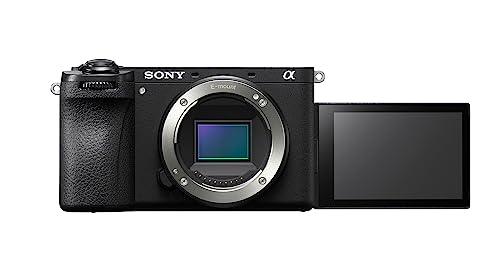
26.0MP APS-C format Exmor R back-illuminated CMOS sensor
Key Advantages of APS-C Sensors for Vlogging

Hey, have you ever considered the advantages of APS-C sensors for vlogging? A lot of folks tend to gravitate toward full-frame sensors, but APS-C sensors have some pretty cool benefits, especially for vloggers like us. For starters, they’re typically more compact and lightweight, which makes them super easy to carry around—perfect for those spontaneous shooting adventures.
Another neat feature of APS-C cameras is their crop factor, usually around 1.5 to 1.6x. This means you can capture distant subjects without needing a super long lens. For example, if you have a 35mm lens, it’ll act like a 50mm lens on an APS-C sensor, making it great for interviews or those scenic outdoor shots. Plus, these cameras are often more budget-friendly than full-frame options. So if you’re just starting out, you won’t have to break the bank.
What’s more, many APS-C camera models pack impressive video features, offering 4K recording and high frame rates. This allows you to produce high-quality content with ease. And don’t forget about in-body stabilization—this feature really helps reduce that annoying camera shake, giving you smoother footage when you’re vlogging on the go. Pretty handy, right? Additionally, just like choosing the right camera for your needs, considering factors such as high resolution can make a significant difference in overall video quality.
Benefits of Full-Frame Sensors for Vloggers

Hey! If you’re into vlogging and thinking about upgrading your gear, let’s chat about full-frame sensors. These cameras can really transform your footage. For starters, they perform amazingly in low-light situations. Imagine being able to film in a cozy coffee shop without worrying about your video looking grainy – full-frame cameras handle that like a pro.
Another cool perk is how they create that beautiful background blur around your subjects. It makes everything look more cinematic, perfect for emphasizing what you want your viewers to focus on. Think about it: filming a quick tutorial or a personal story, and having the background softly blurred while you’re in sharp focus can really elevate your content.
Plus, when you’re shooting scenes with friends or in stunning locations, full-frame sensors give you a wider field of view. You won’t need to squeeze everyone in with a super wide-angle lens; it just captures more of the scene naturally. And let’s not forget about dynamic range – you can really capture those rich colors and details in both the bright and dark areas of your shot.
All these benefits might come with a higher price tag, but if you’re serious about your vlogging career, investing in a full-frame camera could be a smart move. It’s all about creating videos that look professional and engaging. Ready to explore specific camera models? Keep in mind that 6-axis Electronic Image Stabilization technology can also significantly enhance your footage by providing gimbal-like stability, which is crucial for action-packed vlogs.
How Crop Factor Affects Your Vlogging Lens
Hey there! You know, many vloggers don’t really think about how crop factor affects their lens choices, but it’s a big deal. For example, if you’re using an APS-C sensor camera, it has a crop factor of about 1.6x. So, that 24mm lens you love? It actually behaves more like a 38.4mm lens on a full-frame camera. This makes a difference in your framing; in tight spaces, you can get those closer shots that really grab attention.
On the other hand, if you’re working with a full-frame setup, wide-angle lenses do wonders. They can capture stunning landscapes or big groups of friends—perfect when you’re documenting your travels. Plus, don’t underestimate depth of field! Full-frame cameras give you that lovely blurred background effect, making your subject really stand out. This can take your vlogs from ordinary to visually striking. Using studio lights with high CRI ratings can also help ensure your colors stay true and vivid in your videos.
Recommended Products

Live in detail with the world’s first 40-megapixel APS-C sensor X-H2 blends the compact and lightweight versatility of APS-C mirrorless cameras with an unmatched back-side illuminated X-Trans CMOS 5 HR imaging sensor. Add in an optimized pixel layout that promises exceptional detail, unrivaled color accuracy, and impressive video flexibility, these game-changing features are made possible only with X-Processor 5, which delivers lightning-fast performance to help X-H2 deliver 8K/30p video, enhanced autofocus capabilities, and black-out free image bursts at 15fps. Not to mention, it’s also more efficient than its predecessor, boosting battery performance by 10%.
Live in detail with the world’s first 40-megapixel APS-C sensor X-H2 blends the compact and lightweight versatility of APS-C mirrorless cameras with an unmatched back-side illuminated X-Trans CMOS 5 HR imaging sensor. Add in an optimized pixel layout that promises exceptional detail, unrivaled color accuracy, and impressive video flexibility, these game-changing features are made possible only with X-Processor 5, which delivers lightning-fast performance to help X-H2 deliver 8K/30p video, enhanced autofocus capabilities, and black-out free image bursts at 15fps. Not to mention, it’s also more efficient than its predecessor, boosting battery performance by 10%.
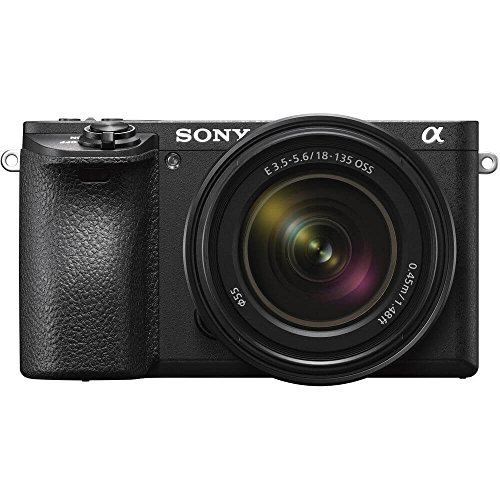
24.2MP APS-C Exmore sensor with advanced processing up to Iso 51.200
Low-Light Performance for Vlogging: APS-C vs Full-Frame
If you’re thinking about vlogging in low-light situations, the choice between APS-C and full-frame sensors really matters when it comes to the quality of your videos. Full-frame cameras are like having a bigger bucket for capturing light; their larger sensors soak up more light, resulting in clearer images even in dimly lit rooms. They usually perform better than APS-C cameras when the lighting is challenging.
That said, don’t count out APS-C cameras just yet! They can still handle low-light environments decently well, especially if you team them up with faster lenses—like f/1.4 or f/1.8. These lenses let in more light, making a real difference. For instance, if you’re at a cozy café with just a few candles for light, having a lens like that on an APS-C camera can help you capture your surroundings without grainy images. Using adjustable lighting solutions can further enhance video quality by improving illumination in various environments.
Recommended Products

World’s lightest1 600mm super-telephoto full frame wide-aperture F4 lens

Sony USA Authorized. Bundle Includes: Sony FX6 Digital Cinema Camera Kit with 24-105mm Lens + Sony FE 70-200mm f/2.8 GM OSS II Lens, Sony 160GB CFexpress Type A TOUGH Memory Card, Sony BP-U35 Battery, 3 Piece Filter Kit, Graduated Color Filter Kit, Tulip Lens Hood, Large Bag, Memory Card Wallet, Cleaning Kit, HDMI Cable, Lens Cap Keeper

Advanced 60MP Full-Frame Sensor: The Leica Q3 43 Compact Powerful Digital Camera 60MP BSI CMOS sensor delivers impeccable image clarity and dynamic range, even in challenging lighting. Its ability to shoot in full resolution or use Triple Resolution Technology (60MP, 36MP, or 18MP) camera bagmakes it ideal for professionals working across landscapes, architecture, and portrait photography who demand exceptional detail and versatility.
Bokeh Quality for Vlog Videos: Which Sensor Is Better?
You know how important bokeh quality is for vlog videos, right? It’s that beautiful background blur that makes your subject pop and keeps viewers focused on what you’re saying. When it comes to achieving that stunning effect, the sensor you choose plays a big role.
Full-frame sensors are fantastic because they give you a shallower depth of field. That means you can create more pronounced background blur, which really enhances the overall image quality. But here’s a little secret: the lens you use is equally important! For instance, lenses with apertures like f/1.4 or f/1.8 can really amp up the blurriness, no matter if you’re working with an APS-C sensor or a full-frame one.
Now, speaking of APS-C sensors, they can still deliver great bokeh, but you might need to use longer focal lengths to get that same dreamy effect. For example, if you’re filming at 50mm on a full-frame system, you’d need to shoot around 35mm on an APS-C sensor to get a similar look. Also, don’t forget about creative filters like the Tiffen 1/8 Black Pro-Mist! They can add a fun touch to background blur, making it even more appealing.
Understanding how to balance your sensor choice with the right lenses and techniques can really elevate your vlogs. So, let’s explore more about the different types of lenses available that can help you achieve that perfect bokeh!
To ensure your footage looks its best, pairing your camera setup with energy-efficient studio lighting can dramatically improve the overall video quality by providing consistent and flattering illumination.
Recommended Products
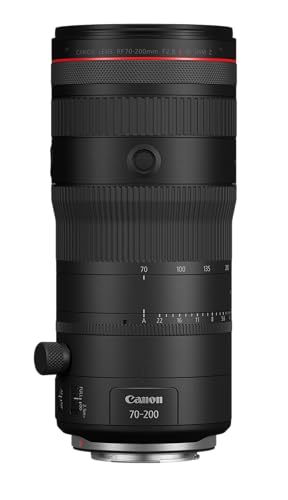
New internally zooming, internal focus F2.8 L-Series hybrid telephoto zoom lens featuring an iris ring for manual iris control.

New internally zooming, internal focus F2.8 L-Series hybrid telephoto zoom lens featuring an iris ring for manual iris control.

Camera compatibility: Compatible with FX and DX format Nikon Z series mirrorless (100mm-400mm on an FX format Z camera), (150mm – 600mm on a DX format Z camera).
Choosing Lenses for Your APS-C and Full-Frame Vlogging Setup
Picking the right lenses for your APS-C or full-frame vlogging setup can seriously impact your video quality. If you’re vlogging on an APS-C camera, you might want to check out RF-S lenses like the RF-S 18-45mm. It offers a great zoom range for different shots and is super light, making it easier to carry around when you’re filming on the go.
For those using full-frame cameras, lenses like the RF 15-35mm will help you capture wide scenes, which is fantastic for shooting landscapes or group photos. Just keep in mind that with APS-C cameras, the crop factor is 1.6x. So, if you’re using a 50mm lens, it’ll feel more like an 80mm.
Also, look for fast lenses with lower f-stop numbers, like f/1.4 or f/1.8. They really make a difference in creating that beautiful background blur (bokeh) and performing well in low light, which is perfect for those evening vlogs. With the right lens, you’ll notice a significant improvement in how your videos look and feel. Now, let’s talk about some essential accessories that can further enhance your vlogging experience!
Adding the right lighting gear, such as a softbox lighting kit, can dramatically improve your video’s visual quality by providing soft, even illumination and reducing harsh shadows.
Recommended Products

High image quality and bright f/2.8 wide-angle zoom RF L lens

Canon EOS R7 Mirrorless Digital Camera(International Version) 32.5MP APS-C CMOS Sensor, Dual Pixel CMOS AF II, 4K60 10-Bit Video, HDR-PQ & C-Log 3, 30 fps E. Shutter, 15 fps Mech. Shutter, 2.36m-Dot OLED EVF, 1.6m-Dot Vari-Angle Touchscreen LCD Sensor-Shift 5-Axis Image Stabilization, Dual UHS-II Memory Card Slots, Multi-Function Shoe, Wi-Fi and Bluetooth
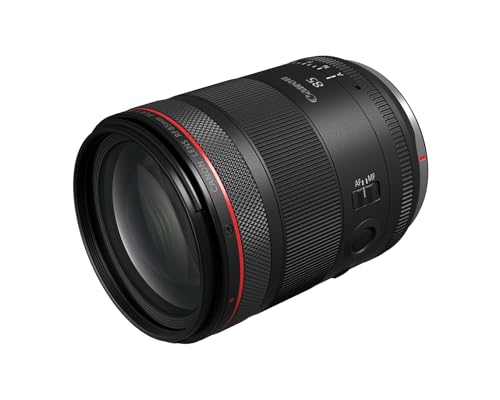
The latest L-Series hybrid lens featuring an iris ring for manual iris control during video capture.
Frequently Asked Questions
Is It Worth Upgrading From APS-C to Full Frame?
Upgrading to a full-frame sensor can enhance video quality through improved low-light performance, depth control, and lens compatibility. Although it involves weight, body size, and price comparisons, the upgrade benefits may future-proof a creator’s work.
What Are the Disadvantages of APS-C Cameras?
Limited low light performance, reduced image quality, restricted depth perception, narrower lens compatibility, significant crop factor, constrained size and weight, variably efficient cost, shorter battery life, slower autofocus speed, and lower sensor resolution define APS-C camera disadvantages.
Is 35MM APS-C Equivalent to 50MM Full Frame?
The 35mm APS-C lens offers a 50mm equivalent field of view due to the crop factor. However, depth of field, low light performance, and overall image quality vary with sensor size, influencing lens selection for vlogging benefits.
Is Full Frame or Crop Better for Video?
Full-frame sensors generally provide superior video quality, enhanced dynamic range, improved low light performance, and better depth perception. However, APS-C cameras offer cost-effective options with lightweight designs, which improve lens choice and stabilization effectiveness.


