


Wind noise can seriously disrupt outdoor vlogging by overwhelming dialogue and diminishing sound quality. It stems from wind interacting with microphones, particularly omnidirectional ones. To combat this, using shotgun microphones is effective, as they focus on targeted sounds. Plus, employing foam windshields or dead cats further minimizes interference. Proper mic placement, alongside natural windbreaks, enhances clarity. By understanding these factors and implementing solutions, one can markedly improve their vlog audio experience—a lesson worth exploring further.
Key Takeaways
- Wind noise interferes with audio clarity by causing low-frequency vibrations, which can drown out important dialogue in outdoor vlogs.
- Using shotgun microphones can significantly minimize background noise and focus on desired sound, making them ideal for windy conditions.
- Foam windshields and dead cats effectively reduce wind interference, protecting omnidirectional lav mics and enhancing overall audio quality.
- Positioning equipment strategically, like utilizing natural cover or tucking microphones inside clothing, can decrease wind exposure during recording.
- Implementing high-pass filters during post-production can cut low-frequency wind noise, ensuring clearer vocal recordings in final edits.
What Causes Wind Noise in Outdoor Vlogging?

Wind noise can be a real headache for outdoor vloggers, and getting to know what causes it can really help you tackle the problem. Basically, when the wind blows strongly, it interacts with your microphone’s diaphragm. This can create those annoying low-end vibrations that drown out your voice, making it sound like you’re filming inside a wind tunnel!
Now, think about using a lav mic. These tiny microphones can be super handy, but if they’re omnidirectional, they pick up sound from every direction. So, when the wind is blowing, it can really mess things up, capturing unwanted noise in the frequency range between 20Hz and 250Hz. Unless you’ve got a good windshield or a dead cat (yes, that’s what they call those fluffy wind shields!), important bits of your dialogue can get lost, which is frustrating for both you and your audience.
To combat wind noise, consider simple tools like a foam windscreen or even specialized dead cats for extra protection. These can significantly cut down the blustery sounds while keeping your voice clear. Using microphones with noise cancellation technology can further enhance audio clarity when recording outdoors. Once you grasp what causes wind noise, you’re on your way to improving your outdoor audio quality, making your vlogs much more enjoyable for everyone.
Recommended Products

Inner Acoustic Foam Technology with Artificial Rabbit Fur Outer

Stereo and mono recording modes with -10db, 0db, +20db level adjustments

Shock absorber structure upgrade: 2+1 support structure: one of the shock absorber suspension has been upgraded to a double suspension structure, the microphone is fixed more stable, better sound effect.Tougher material: High tenacity nylon material with better shock absorption performance is used. No deformation after squeezing
How to Choose the Right Microphone for Windy Conditions

If you’re thinking about outdoor vlogging, especially in the wind, choosing the right microphone is crucial for getting that clear audio you want. Shotgun microphones are often your best bet in these breezy situations because they really hone in on the sounds you want while cutting out the noise around you.
Now, if you’re considering an omnidirectional mic, just know they can pick up a lot of wind noise. To tackle this, you’ll definitely want to grab a good windscreen or “dead cat” to help muffle those harsh gusts. Another solid option is a dynamic microphone; they’re built tough and handle low-frequency wind disturbances much better, which is a real plus when you’re out in Mother Nature’s unpredictable moods.
Placement matters a lot, too! Try to set up your mic away from the wind, maybe positioned at an angle behind something like a tree to shield it. Don’t forget to test it out before you start filming to make sure everything sounds just right. That way, even if the wind picks up, your vlogs will still have that crisp and inviting audio we all strive for. So, what do you think? Ready to tackle those outdoor adventures? Using directional microphones can significantly reduce ambient noise and improve sound clarity in windy environments.
Recommended Products

Transducer: Condenser, Polar Pattern: Super-cardioid, Frequency Response: 20-20kHz Selectable LCF @ 75dB / 150dB /octave, Shock-resistant structural design, to reduce the mechanical noise of the camera and other vibration noise.

Transducer: Condenser, Polar Pattern: Super-cardioid, Frequency Response: 20-20kHz Selectable LCF @ 75dB / 150dB /octave, Shock-resistant structural design, to reduce the mechanical noise of the camera and other vibration noise.

Transducer: Condenser, Polar Pattern: Super-cardioid, Frequency Response: 50Hz - 60kHz Selectable HPF @ 80Hz / 12dB /octave, Shock-resistant structural design, to reduce the mechanical noise of the camera and other vibration noise.
Techniques to Reduce Wind Noise When Recording

When you’re out recording audio, especially in the great outdoors, picking the right microphone is just the start—you really need to manage wind noise too. One effective way to do this is by using foam windshields, which help break up the wind’s acoustical energy before it even gets to your mic. If it’s particularly windy, consider using a “deadcat” or “furry” cover made of artificial fur; these can really help cut down on wind interference.
Another neat trick is to tuck lavalier mics inside your clothing; it acts like a shield against the wind. Plus, if you can find some natural cover—like the side of a building or even a big tree—these can provide a nice buffer against the wind.
Don’t forget about high-pass filters too! They’re super handy for cutting out that low-frequency rumble you sometimes hear in windy conditions, whether you apply them directly on your mic or during editing. With these strategies, you can keep your audio crisp and clear while vlogging outdoors, no matter how breezy it gets. Speaking of editing, let’s explore some tools that can help you polish your audio further!
Using microphones with built-in noise reduction technologies can also significantly improve outdoor audio clarity in windy environments.
Recommended Products

COMPREHENSIVE DRUM MIC KIT: Audix's DP Quad kit is a comprehensive solution for miking up a bop or rock drum set, featuring kick, snare, and overhead microphones tailored for each drum's unique qualities.

PROFESSIONAL SUPERCARDIOID/LOBAR SHOTGUN MICROPHONE – Engineered for cinema-grade audio capture with an ultra-focused pickup pattern that isolates on-axis dialog while reducing side and rear noise, making it ideal for film sets, ENG, EFP, interviews, documentaries, streaming, and controlled or uncontrolled shooting environments requiring high directionality and clarity.

How to Fix Wind Noise in Your Audio
Hey there! We’ve all been there—getting excited about recording audio only to find that pesky wind noise ruining it all. But don’t worry, fixing wind noise isn’t as daunting as it seems! One of the simplest tricks is to use foam windshields or “deadcats” (those fluffy covers) on your microphone. They do a fantastic job of blocking that blustery sound from messing things up, especially on windy days.
Another handy tip? When you’re recording, consider using a high-pass filter. This filter helps cut out those low-frequency rumbles that wind can bring along. Try to set it to around 200Hz; you’ll notice a big difference in clarity! Plus, pay attention to microphone placement—keeping your mic out of direct wind paths can save you a lot of headaches. If you’re using lavalier mics, tucking them under clothing can help reduce wind interference even more.
And if you already have some recordings that need a clean-up, software like Adobe Audition can be a lifesaver. It lets you target and reduce the specific frequencies that carry that annoying wind noise, boosting your overall audio quality. So, with a few simple adjustments and tools, you can ensure your sound is clear and professional. For those often on the move, incorporating portable equipment can greatly enhance your ease of use and setup. Now, let’s talk about other common audio issues you might encounter!
Recommended Products

BOOM MICROPHONE BUNDLE FOR FILMING: Capture professional-sounding audio for your films and videos with this powerful all-in-one location sound bundle. Includes the Movo XLR shotgun microphone, CMP-17C telescoping boom pole, and BWS1000 blimp windscreen system – everything you need to record broadcast-quality dialogue, interviews, and ambient sound on any set or location without piecing together gear from multiple brands.
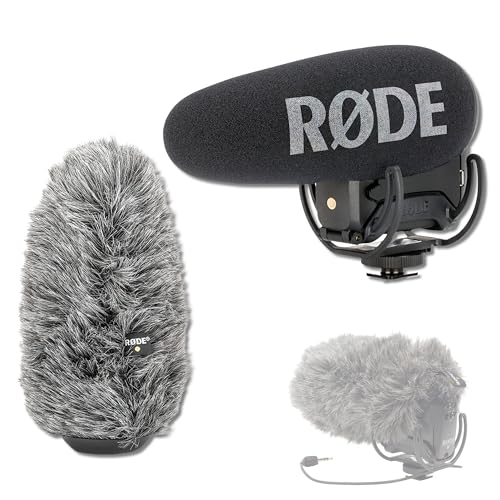
ON-CAMERA SHOTGUN AND OUTDOOR WIND DEFENSE — VIDEOMIC PRO+ MIC + DEADCAT VMP+ WIND SHIELD: Outdoor video needs more than the bare shotgun — you need wind defense at the capsule, a shockmount that silences lens IS and gimbal vibration, and long battery life. This bundle pairs the Rode VideoMic Pro+ with the purpose-fitted DeadCat VMP+ artificial fur wind shield. Wedding videographers, documentary B-cam operators, vloggers, and run-and-gun journalists — clip on the DeadCat and start recording today.
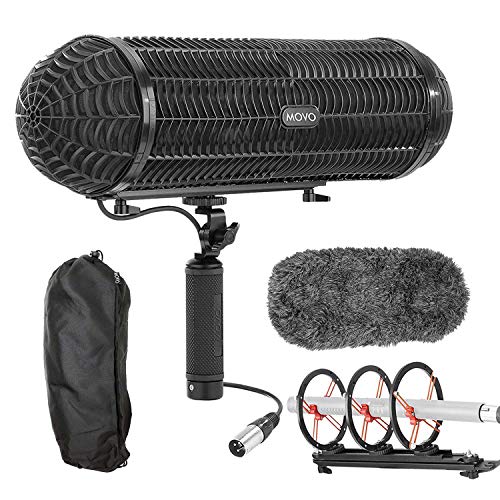
PROFESSIONAL'S MUST-HAVE: Features a Blimp capsule, 12-point shock mount, & "Deadcat" windscreen for noise reduction, perfect for field interviews, professional production, and more
Top Tips for Planning Successful Outdoor Shoots
Planning outdoor shoots can be a blast, but managing wind noise can be a bit tricky, right? First off, always check the weather forecast. If it’s windy, you might want to rethink your timing. For instance, early mornings are usually calm and can offer you ideal shooting conditions.
When scouting for locations, look for spots with natural windbreaks. Think about places like areas near tall trees or rugged walls. These features can really help shield your audio from gusts. Also, consider positioning your crew and talent so they’re facing away from the wind. This little trick helps minimize that annoying wind interference during recording.
A neat tip for better sound quality is to use a lavalier microphone. If you clip it under clothing, it can really cut down on wind noise while still picking up clear audio. Don’t forget to experiment with different mic placements before you start shooting—sometimes small adjustments can make a huge difference in those breezy conditions.
For seamless integration of audio and video quality in your shoots, pairing your equipment with a high-speed HDMI cable ensures smooth, high-resolution content delivery.
Now that you’ve tackled wind noise, let’s explore how to handle lighting challenges in outdoor shoots!
Best Practices to Enhance Vlog Audio Quality
If you want to improve your audio quality while vlogging, choosing the right microphone is key. For example, omnidirectional microphones, especially lavalier mics, do an amazing job of picking up clear sound while reducing that annoying wind noise. To make them even more effective, consider pairing them with foam windshields. These little accessories help a lot, but if you’re filming on a particularly windy day, you might want to invest in stronger options like deadcats or blimps for even better protection against wind.
Another tip is to pay attention to where you place your microphone. Positioning it away from direct wind paths or using natural barriers—think trees or walls—can really minimize interference and improve your audio quality. Before you start filming, take a moment to test out different mic placements. It’s a small step that can make a big difference in how your audio sounds. And if you want to really polish it up in post-production, using high-pass filters to cut out low-frequency wind noise below 125 Hz is a savvy move that helps keep your vocals sounding crisp and clear.
For consistently clear audio, it’s also important to consider a microphone system’s range and signal stability to avoid sound dropouts while moving around outdoors.
Now that we’ve covered microphones, let’s talk about some practical tips for recording your audio in different environments!
Recommended Products

Desktop Base with 10' Cable, Logic Functions, Programmable Switch, LED Indicator, Snap-Fit Foam Windscreen.

In-Line Preamp, Shock & Flange Mount, 10' Side- (or Bottom-) Exit Cable, Snap-Fit Foam Windscreen
MX412SE/C 12" Cardioid Gooseneck Microphone with Preamp
Frequently Asked Questions
How to Reduce Wind Noise When Recording Outside?
To reduce wind noise when recording outside, using wind shields and directional microphones is essential. Employing outdoor techniques like strategic microphone placement, along with audio editing tools, can further enhance sound clarity in windy conditions.
How to Get Rid of Wind Sound in Video?
To eliminate wind sound in videos, one must juxtapose advanced microphone choice and strategic placement with effective wind barriers. Complement these recording techniques with post-processing tips, ensuring pristine audio quality and a fulfilling viewer experience.
How to Remove Wind Noise From Video With AI?
To remove wind noise from video, one might employ AI noise cancellation techniques alongside quality vlogging equipment. Additionally, outdoor shooting tips and effective post-production editing can further enhance audio clarity and overall presentation quality.
How to Reduce Wind Noise?
To reduce wind noise, individuals should employ wind blocking techniques, optimize microphone placement for outdoor recording gear, consider environmental factors affecting sound, and utilize protective accessories like foam windshields or deadcats to enhance audio clarity.


