

Streaming platforms differ markedly in their requirements based on content type, technical specs, and audience interaction. For instance, 25 Mbps is recommended for 4K streams, while platforms like Twitch thrive on real-time gaming content. Monetization varies, with YouTube needing 1,000 subscribers, contrasting with Twitch’s 50-follower requirement. Additionally, engagement features differ, from live chats on YouTube to gamified gifts on TikTok. Understanding these distinctions can help creators choose the best platform for their needs. Curiously, there’s more to discover on this topic.
Key Takeaways
- Streaming platforms have varying bandwidth requirements, with 25 Mbps needed for optimal 4K streaming and lower rates for SD content on platforms like Netflix.
- Device compatibility affects performance across platforms; some may deliver better quality on specific devices.
- YouTube requires 1,000 subscribers and 4,000 watch hours for monetization, while Twitch allows monetization with only 50 followers.
- Copyright laws and licensing are critical considerations for content use, impacting how creators can monetize their media.
- Customer support options differ; quick access through live chat or email can enhance user experience across platforms.
Understanding Key Streaming Platforms: Definitions and Types

Hey there! So, let’s chat about streaming platforms. They’ve really exploded lately, and you can generally divide them into two main categories: subscription-based services and non-subscription ones. For example, think of Netflix and Hulu—these platforms require a monthly fee, but in return, you get access to tons of movies and shows that are professionally made. It’s all about having a tailored viewing experience where you can binge-watch your favorites.
On the flip side, you’ve got non-subscription platforms like TikTok and YouTube. These are great because you can access a treasure trove of user-generated content without paying a dime. Creators on these sites often explore creative ways to monetize their work, like through ads or sponsorships. Plus, many of these platforms let users stream live events, which is perfect for real-time engagement.
The way audiences engage with content can really change depending on which platform you choose. Whether you’re in the mood for something polished or spontaneous, knowing the differences can help you make the most of your streaming experience. Now, let’s explore what makes each type of platform unique!
To ensure the best viewer experience, many creators rely on capture cards to deliver high-quality streaming with minimal latency.
How Your Content Type Affects Streaming Choices

When it comes to streaming content, picking the right platform is just as important as choosing what to watch. The type of content you have really shapes your streaming choices, and it can make a big difference in user experience. For instance, if you’re into educational videos or funny skits, YouTube is a great pick because it caters to a wide range of genres. On the other hand, if you’re a gamer, Twitch is where it’s at; it’s all about low latency here, meaning viewers can interact with streamers in real time.
Now, let’s talk fitness. If you’re creating high-energy workout videos, Instagram and TikTok are perfect because they thrive on catchy visuals and quick interactions. You can even show a quick exercise routine that followers can join in on, which makes the experience more engaging. And if you’re leaning towards educational content, consider going live on Facebook or LinkedIn. Those platforms are fantastic for hosting webinars where you can truly interact with your audience.
Don’t forget, platforms like YouTube and Facebook also have cool options for live shopping, which can help creators monetize their streams. So, understanding your content type is key to choosing the right platform, ensuring a smoother and more fulfilling experience for both you and your viewers. Speaking of platforms, have you thought about how your content might work with different types of capture resolutions and hardware capabilities?
Recommended Products

✔️Bundle Accessories - Along with the accessories from Sony, the Sony Alpha 7C R bundle Includes additional accessories such as, Hurricane Blower, Essential Cleaning Kit, 3-in-1 USB-C Card Reader, Microfiber Cleaning Cloth.
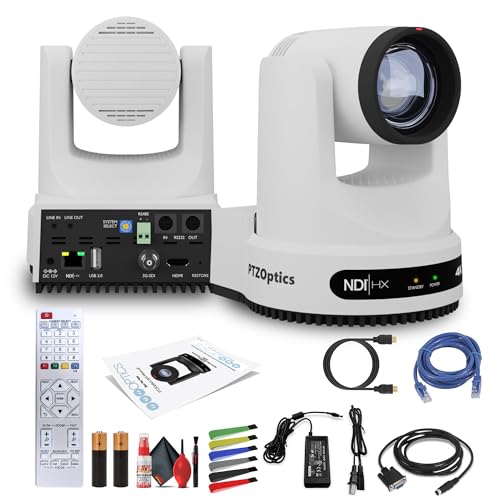
Bundle Includes: 1 x PTZOptics Move 4K SDI/HDMI/USB/IP PTZ Camera with 20x Optical Zoom (White), 6th Ave Electronics Lens Cleaning Kit, HDMI Cable, Ethernet Cable, Color Wire Ties

4K PTZ Camera with 1/1.8" CMOS Sensor
Technical Specifications: Bandwidth and Device Compatibility

Hey there! When you’re trying to stream your favorite shows or movies, bandwidth and device compatibility are super important. Think about it this way: if you want the best quality, like 4K streaming, you’re going to need at least 25 Mbps. For instance, Netflix says you only need 3 Mbps for standard definition shows and 5 Mbps for high definition. On the other hand, Amazon Prime Video is a bit more generous, recommending just 1 Mbps for SD, but jumping up to 15 Mbps for HD.
Now, device compatibility can get a little tricky. For example, both Hulu and Disney+ work well on smart TVs, mobile phones, and gaming consoles, but the performance can really change based on the device you’re using. If you’re trying to stream something in a really high quality, like 1080p or above, you might notice that your internet speed needs to be higher. This means if your friends all want to join in for a movie night, you’ll want to check that your internet can handle multiple streams at once without buffering. For optimal streaming and content creation, investing in a PC with high-performance streaming hardware can make a significant difference in quality and stability.
Recommended Products

[Powerful PC] Mini Gaming PC equipped with Core i9-13900F, 24 Cores 32 Threads, 36M Cache, Max Turbo Frequency: 5.6GHz, Windows 11 pro (64 Bit). 64G DDR5-5600 RAM| 4TB M.2 NVME PCIE4.0 SSD. With GeForce RTX 40 Series GPUs. supporting ray tracing and AI cores. Delivering AI-acceleration in top creative apps. Whether you’re rendering complex 3D scenes, editing 4K video, or Gaming livestreaming with the best encoding and image quality, GeForce RTX GPUs give you the performance to create your best.

THE SPEED OF EERO MAX 7 - With two 10 Gigabit Ethernet ports, you can enjoy wired speeds up to 9.4 Gbps, wireless speeds up to 4.3 Gbps, and multi-gigabit backhaul speeds—making your network seriously fast.

【Excellent Performance & System】➨The Mini PC is equipped with 4 cores 10th Gen Core i7-10510U Processors(up to 4.9GHz). Come with Win 11 Pro(preinstalled), supports Linux and Ubuntu systems. Excellent CPU Performance can easily control various complex work procedures. Energy-saving design, perfect for office work, streaming video, web browsing, distance learning, and home entertainment.
Audience Engagement Features: What’s Available?
Hey there! Have you ever wondered how popular streaming platforms keep viewers glued to their screens during live broadcasts? Each platform has its own special audience engagement features that really make the live experience exciting. For instance, on YouTube Live, you can jump into real-time chats and comments, plus there are interactive polls that let viewers have a say in the discussion. It’s like being part of a conversation instead of just watching from the sidelines!
Then there’s Facebook Live, which has those fun reaction emojis. It’s not just about watching; you can share the stream, making it feel like a community event. And the cool part? Past streams are saved, so you can revisit them later. Over on Instagram Live, people can comment live and react with emojis, creating an instant vibe between the streamer and the audience. And if you miss a live session? No worries! You can catch them later when they’ve been turned into Reels.
Twitch takes things up a notch with its lively chat and viewer emotes, which really pulls the community together. And let’s not forget TikTok Live, where fans can send gamified gifts to their favorite creators. This not only sparks interaction but also helps creators reach new viewers thanks to TikTok’s smart discoverability features. Each of these elements helps fans connect in meaningful ways, making the live experience so much more enjoyable. Now, let’s talk about how these platforms are adapting to changing viewer behaviors! Durability and portability are key factors in choosing technology tools, much like how muslin backdrops are prized for their durable, lightweight nature in photography.
Recommended Products

Streaming Flexibility: YoloBox Ultra offers two modes—Live Streaming Mode for up to three horizontal destinations and Vertical Streaming Mode for two vertical destinations. However, simultaneous streaming in both modes is not supported

All-in-One Device: Combines a full HD encoder, switcher, monitor, and recorder with support for 4G LTE, WiFi, Ethernet and bonding(Additional charges apply)
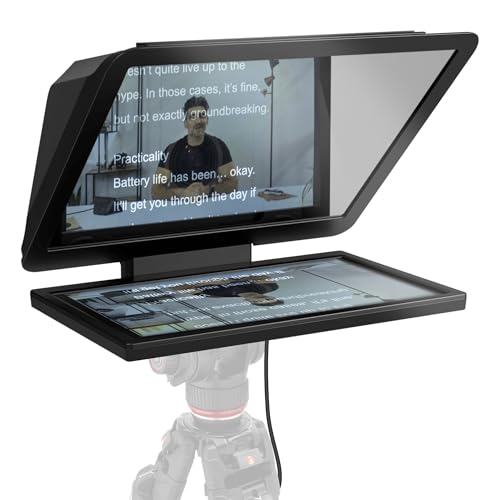
15.6-inch display: Detaches easily and delivers crisp Full HD
Privacy and Security Standards in Streaming Services
You know, when it comes to streaming services, keeping user privacy and security in check is such a big deal. Major platforms take this seriously by implementing key privacy measures, like end-to-end encryption, which safeguards your data while it’s being sent and stored. Take Netflix and Amazon Prime Video, for instance—they follow strict industry standards to ensure your information stays safe.
Services like Hulu and Disney+ are also on top of things with their clear privacy policies. They really break down how they collect, use, and share your data, which is super helpful for building trust. When you sign up for these subscription services, you usually need to provide personal information, so it’s reassuring to see practices like two-factor authentication, like what you find with HBO Max. This extra step helps protect your account from unwanted access.
Unfortunately, data breaches can really shake users’ confidence. That’s why streaming platforms invest heavily in beefing up their cybersecurity. They often conduct regular audits and follow important regulations like GDPR and the California Consumer Privacy Act. Staying informed about these practices can help you feel more secure while enjoying your favorite shows! Speaking of shows, have you ever wondered about how these platforms choose what to produce and stream? Additionally, many streamers rely on webcams with autofocus technology to ensure high-quality video during live broadcasts.
Evaluating Monetization Models for Streaming
Hey! You know how streaming platforms have really changed the game for creators looking to earn money? It’s fascinating how different platforms approach monetization. For instance, YouTube has a pretty strict monetization model that requires you to have at least 1,000 subscribers and 4,000 watch hours before you can start making money from your videos. That can seem a bit daunting, right?
On the other hand, take Twitch, for example. It’s a live streaming platform that makes things a lot easier for creators. You can start monetizing your content with just 50 followers through subscriptions, bits, and ads. Isn’t that cool? Another interesting option is Patreon, where creators can set up a subscription service. This means you can decide what content to share with subscribers without having to worry about platform algorithms messing things up for you.
Then you have platforms like Vimeo that cater to professionals. They focus on high-quality live streams and branding, which can be great if you’re looking to build a more polished image. Also, things like Pay-Per-View are becoming more popular, allowing creators to earn money directly while live streaming. It’s changing how we think about video monetization, making it much more interactive and rewarding for everyone involved. So, if you’re considering jumping into streaming, there’s definitely a lot of exciting avenues to explore! For the best quality streams, many creators invest in technology like 4K HDR capture cards to ensure professional-level video.
Recommended Products

SONY FX3 CAMERA INCLUDES: Sony FX3 Full-Frame Cinema Line Camera | Sony FE 24-70mm f/2.8 GM II Lens | Lexar Professional 128GB Memory Card | Battery Pack with USB-C Port | 82mm Digital Essentials Filter Kit | Multi-Device Shoulder Bag | Complete Optics Care and Cleaning Kit

SONY FX3 CAMERA INCLUDES: Sony FX3 Full-Frame Cinema Line Camera | Sony FE 24-70mm f/2.8 GM II Lens | Lexar Professional 128GB Memory Card

Items Include:Sony PXW-Z200 4K 1" CMOS Sensor XDCAM Camcorder, Sony BP-U35 Battery Pack, 64GB Memory Card, Large Case, Memory Card Reader, Memory Card Wallet, Lens Cap Keeper, Cleaning Kit, HDMI Cable
Licensing and Copyright Considerations in Streaming
Hey there! If you’re getting into streaming, you’ve probably realized that licensing and copyright considerations are really important, even if they sometimes seem like a pain. Basically, if you’re planning to use films, music, or any type of media, you need to make sure you’ve got the right licenses. Major platforms like Netflix and Amazon Prime Video have specific agreements in place that tell creators what they can or can’t do with the content.
Now, here’s the kicker: copyright laws protect original content creators, which means they usually keep ownership of their work unless they decide to transfer those rights. Think about YouTube, for example. If you’re making videos, you need to verify that you have the rights or permissions for any music or images you’re using. If you neglect to do this, you could face penalties, from having your content yanked off the platform to even getting your account suspended. Additionally, using technology with efficient compression technologies can help manage the storage and delivery of licensed content more effectively.
Choosing the Right Customer Support and User Experience
Hey there! Want to make sure your streaming experience is as enjoyable as possible? First off, let’s chat about customer support options. Different streaming platforms offer various ways to get help—think live chat, email support, or extensive FAQ sections. Having quick access to help when something goes wrong can make a big difference, right? For example, if you’re suddenly unable to watch your favorite show, a platform with live chat can get you back on track much faster than one that only offers email support.
Next, user experience is crucial, especially when it comes to how easy it is to navigate the service. Platforms like Netflix and Disney+ really excel here, making it super simple to find what you want without any hassle. On the flip side, some services can be pretty confusing, which can definitely kill the vibe. And let’s not forget the importance of seamless playback—services like YouTube TV ensure you can enjoy your shows without annoying interruptions.
Accessibility can also play a huge role. For instance, HBO Max allows you to set up customizable viewer profiles, which is fantastic if you have a family with different tastes or viewing habits. Plus, remember that customer support responsiveness is a major deal; studies show that 78% of consumers weigh this heavily when picking a streaming service. So, when you combine quality customer support with a user-friendly interface, you’re setting yourself up for a fantastic streaming experience. Speaking of which, let’s move on to some great tips for picking the perfect streaming service for your needs!
Recommended Products

QD-MINI LED: TCL's QD-Mini LED combines the merits of QLED and OLED technologies, transforming the traditional backlight into lighting that is close to pixel-level precision.
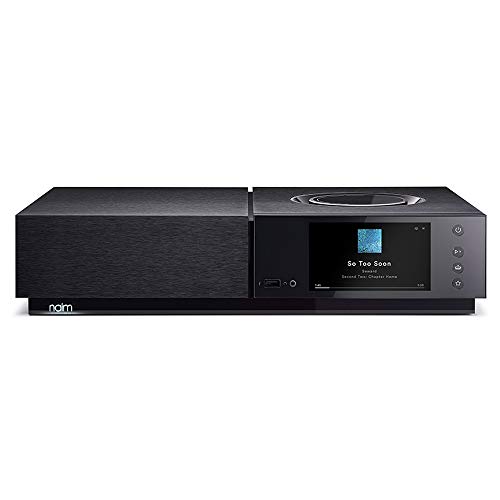
3 Tier PCB arrangement to provide the shortest analogue signal path and best sound

【Next-Generation Robotic Companion: Meet the Unitree Go2 Robotic Dog】 The Unitree Go2 X is a powerful and intelligent quadruped robot designed for tech enthusiasts, researchers, and developers seeking ultimate performance and expandability. It measures 27.6""x12.2""x15.7"" and weighs just 33 lbs, yet carries up to 17.8 lbs and reaches speeds of 3.7 m/s. Its advanced joint mobility allows it to climb 40° slopes and overcome 6.3"" obstacles. An 8000 mAh battery provides 1–2 hours of operation.
Current Changes Impacting Streaming Platforms
Hey! Have you noticed how streaming services are changing lately? Platforms like Netflix have started offering ad-supported plans, with their $6.99/month option launched in 2023. It’s a pretty big deal because it makes streaming more affordable for people who may not want to pay for an ad-free experience anymore.
Now, on the flip side, Amazon Prime Video has added commercials too, which can be a bummer for those of us who enjoyed that uninterrupted binge-watching. Then there’s the whole password-sharing thing—Hulu and HBO Max are cracking down on that, which makes it harder for some groups of friends and family members to share subscriptions and access their favorite shows.
And let’s not forget about how prices are creeping up across the board, leaving viewers scratching their heads about their subscriptions. With so many services available, people are really trying to weigh the benefits of having multiple subscriptions against their budgets and what they want to watch—like balancing live sports with their streaming shows. It’s a tricky situation! What do you think will happen next?
Additionally, many platforms are enhancing their offerings with live TV availability to blend real-time content with on-demand libraries, adding more value to subscriptions.
Frequently Asked Questions
What Are the Requirements for Streaming?
Streaming requires a stable internet connection, suitable encoding software, device compatibility, and compliance with content restrictions. Users may face platform fees, account limitations, and subscription models, while streaming quality varies based on regional availability and user interfaces.
What Are the Different Streaming Platforms?
In a world buzzing with endless entertainment, viewers encounter diverse streaming platforms: Netflix originals, Amazon Prime offerings, Hulu exclusives, Disney Plus classics, YouTube content, HBO Max favorites, Peacock shows, Vimeo channels, and Twitch gaming broadcasts.
How to Choose a Streaming Platform?
Choosing a streaming platform involves evaluating user demographics, content variety, subscription costs, device compatibility, and streaming quality. A user-friendly interface and social features enhance the experience, while original programming and content exclusivity attract diverse audiences.
What Are the Big 3 Streaming Services?
The big three streaming services are Netflix, known for its Originals; Amazon Prime, offering diverse rental options; and Disney+, featuring beloved franchises. Each provides distinct user experiences, subscription costs, and availability regions, catering to various audiences.


