


Mount compatibility in camera systems guarantees that photographers can pair their cameras with a wide range of lenses. Each lens has specific measurements like flange distance, which affects fit and performance. For instance, Canon RF has a 20mm distance and supports EF lenses with adapters. Conversely, Sony’s E mount features an 18mm distance. Properly understanding these dimensions prevents blurry images and slow autofocus. So, knowing the intricacies of compatibility can help improve your photography journey, making choices easier.
Key Takeaways
- Mount compatibility ensures lenses fit securely on camera bodies, affecting image quality and operational features like autofocus and stabilization.
- Flange distance is crucial, with varying lengths impacting how well lenses integrate and perform on different camera systems.
- Adapted lenses can expand creative options but may experience slower autofocus and reduced image quality compared to native lenses.
- Using full-frame lenses on crop sensor cameras changes the effective focal length, influencing composition and depth of field.
- Understanding lens mount compatibility helps photographers make informed decisions about gear and optimize their photography experience.
Understanding Lens Mount Compatibility and Its Importance

Hey there! Let’s talk about lens mount compatibility—it’s super important for photographers who want to mix and match equipment. Basically, lens compatibility is all about the physical dimensions of the lens and camera, like the flange distance and mount diameter. These measurements determine if a lens can fit on a specific camera body. For example, shorter flange distances, like those found in E-mount and RF mounts, can make it easier to connect different lenses.
You might be surprised to learn how well full-frame lenses can adapt to crop sensor systems, like Micro Four Thirds. But keep in mind, there could be some trade-offs, especially with autofocus performance. You’ll want to look into smart adapters if you still want to utilize that feature effectively. By getting a grip on these basics, you’ll have the confidence to explore a wide range of lenses that suit your photographic style.
Speaking of adapting, have you ever considered how your choice of lens might affect your shooting style? Let’s explore some exciting options that can elevate your photography even further! Additionally, just like cameras, it’s important to consider field of view when choosing your lens to ensure it meets your framing needs.
How Improper Lens Mounts Can Impact Your Photography

Hey there! You know how we all love experimenting with different lenses to get that perfect shot? Well, it’s super important to pay attention to something called lens mounts. When photographers mix and match lenses, they sometimes ignore the fact that not all mounts are created equal. If a lens doesn’t fit properly, you could be left with a piece of gear that just doesn’t work—talk about frustrating!
Let’s say you’ve got a really cool vintage lens that you want to adapt to your modern camera. If that vintage lens has a longer flange distance than your camera mount supports, you might think you can make it work with some adjustments. Unfortunately, that could mean your pictures end up blurry or distorted, ruining that amazing sunset shot you were aiming for. Plus, losing autofocus can make it a real struggle to capture action shots of something like a pet running around. Turning off features like image stabilization can further impact your photography. To ensure the best quality, always consider devices with high-quality resolution support when upgrading your gear.
Recommended Products

Superb image quality: 20.9 MP DX CMOS sensor paired with EXPEED 6 processing engine

INCLUDED - Nikon Z fc Camera, 16-50mm Lens, Battery, Charger, Strap, Body Cap, Eyecup, Lens Caps, Warranty, 64GB SD Card, Bag, Filter Cleaning Kit.

Cinematic Widescreen Capture — Achieve a distinctive 2.39:1 widescreen aspect ratio on full-frame cameras with a constant 1.5x anamorphic squeeze. The SIRUI IronStar 45mm anamorphic lens yields a stunning 2.25:1 aspect ratio in 3:2 shooting mode, captures an ultra-widescreen 2.66:1 ratio in 16:9 mode.
Major Lens Mounts: Canon RF, Sony E, and More

Lens mounts are super important for photographers, and they can really shape the gear choices you have. For instance, the Canon RF mount, with a snug flange distance of 20mm, is designed specifically for mirrorless cameras. This means you can easily use your old EF lenses with an adapter, which is a huge bonus if you’re looking to expand your lens collection without starting from scratch.
On the flip side, Sony’s E mount comes with a shorter flange distance of 18mm. This might make it slightly less flexible in terms of adapting other lenses, but it shines brightly within its own ecosystem. For example, if you have Sony’s full-frame lenses, they fit perfectly and work seamlessly.
Then there’s the PL mount. It’s a bit bulkier at 52mm and is a popular choice in the world of cinema, mainly because it pairs well with a wide array of professional lenses. Likewise, the Micro Four Thirds (MFT) system, with its 19.25mm flange distance, is all about compactness, making your camera setup lighter and easier to carry around—ideal for travel photographers!
Lastly, let’s talk about the L mount, which also has a 20mm flange distance. This one is versatile as it supports multiple brands, so you can mix and match lenses to your heart’s content. Overall, understanding these lens mounts can help you make smarter decisions as you build your photography kit. Got a favorite system yet, or are you still weighing your options? Many popular DSLR cameras, like the Canon EOS Rebel T7, are designed with EF or EF-S lens mounts for broad lens compatibility.
Recommended Products

Sony USA Authorized. Bundle Includes: Sony FX6 Digital Cinema Camera Kit with 24-105mm Lens + Sony FE 70-200mm f/2.8 GM OSS II Lens, Sony 160GB CFexpress Type A TOUGH Memory Card, Sony BP-U35 Battery, 3 Piece Filter Kit, Graduated Color Filter Kit, Tulip Lens Hood, Large Bag, Memory Card Wallet, Cleaning Kit, HDMI Cable, Lens Cap Keeper

Items Included: 1 x Sony FX6 Full-Frame Cinema Camera (Body Only), 1 x Large Bag, 1 x Memory Card Wallet, 1 x Cleaning Kit

Supports 8K/60P Internal RAW or Cinema RAW Light Recording, HDMI 8K RAW Output to Compatible Recorders, 8K HDR Recording (PQ/HLG)
Flange Distance: A Key to Lens Adaptation
Understanding flange distance is really important for photographers who want to mix and match lenses across different camera systems. So, what is flange distance? It’s basically the measurement from the lens mount—the part where the lens attaches—to the camera sensor. For instance, Canon’s RF mount has a flange distance of 20mm. This is great because it means you can use EF lenses with an adapter, giving you a lot of flexibility.
On the flip side, Sony’s E mount has a shorter flange distance of 18mm. This makes it a bit trickier to adapt lenses from systems with longer flange distances. Take Nikon’s F mount, which has a flange distance of 46.5mm. It’s relatively easy to adapt those lenses to Canon’s RF system, but if you’re trying to go the other way, you may run into some hurdles.
Once you start grasping these details about flange distances, you can make smarter choices about your gear. It’s all about finding the right combination that will help you get the best performance from your camera setup. With this knowledge, you’re well on your way to experimenting with various lenses and capturing stunning photos, no matter what brand you’re using! Choosing the right studio furniture can also help create an efficient and inspiring workspace to support your creative photography process.
Identifying Your Camera’s Mount Type
Figuring out your camera’s mount type is pretty straightforward and can save you a lot of hassle when you’re buying or adapting lenses. Start by checking for any markings on your camera body, particularly near the lens mount. Often, these marks can tell you exactly what type of mount you’re dealing with. If there’s no clear indication, don’t sweat it—flipping through the manufacturer’s manual or browsing their website for technical specs can really clear things up.
Another great trick is to make visual comparisons. You can find reference images online and match the shape and features of your lens mount with them. For example, if you have a Canon EF lens, it’s good to know you can use it with an RF body using an official Canon adapter. Similarly, if you own Nikon F lenses, the FTZ adapter allows those to work with Nikon Z cameras. This knowledge is super helpful; it ensures that whatever new lens you add to your collection will work seamlessly with your camera.
Once you’ve nailed down your mount type, you’ll feel much more confident exploring new gear, so let’s look at the different types of lenses you might consider next! Additionally, when considering gear upgrades, it’s useful to prioritize compatibility with devices to ensure smooth integration across your camera system.
How Lens Adapters Expand Your Lens Options
Hey there! Have you ever thought about how lens adapters can really open up your photography game? They are a fantastic tool for photographers looking to broaden their lens choices without having to invest in an entirely new kit. Basically, lens adapters let you use lenses from one camera system on another, like sticking a Canon lens onto a Nikon body.
Now, there are two types of lens adapters: some are “dumb,” meaning they only allow you to attach the lens to your camera without any extra features, while “smart” adapters can keep autofocus and other electronic functions working. If you’re adapting lenses from systems where the lens mounts are quite different, especially with longer flange distances, it usually goes smoothly. But, if you’re trying to go the other way, it can get a bit tricky.
For example, if you’ve got a bunch of Canon EF lenses lying around, you can use them on a newer Canon RF mirrorless body with a simple adapter. Just keep in mind that while you might experience slower autofocus or some minor drops in image quality, the benefits can really outweigh those drawbacks, especially when you want to get creative with different lenses. So, if you’re excited to experiment, lens adapters could be just what you need to expand your toolkit! Additionally, many modern cameras provide WiFi connectivity that makes sharing your creative work easier after adapting lenses for your shoots.
Recommended Products

HIGH IMAGE QUALITY: Canon’s 24.2 Megapixel (APS-C) CMOS sensor delivers stunning resolution to fast-action photos taken day or night

DIGIC X IMAGE PROCESSOR: Enhances performance for sharp photos and ultra-high definition videos

Bundle Items Includes: 1 x Canon Extender RF 2x, 1 x Lens Cap Keeper, 1 x Cleaning Kit
Using Full-Frame Lenses With Crop Sensors?
Hey! So, you know how photographers often experiment with full-frame lenses on crop sensor cameras? It’s a pretty interesting blend of gear that opens up new creative avenues. When you use a full-frame lens, like a 50mm, on a crop sensor camera, it acts like a 75mm lens instead due to the crop factor—usually around 1.5x for APS-C sensors. This change really affects how you compose your shots and frame your subjects.
Another cool perk of using full-frame lenses is their performance in low light. Because they have larger glass elements, they can capture more light, which means you might end up with sharper images when conditions are dim. For example, if you’re trying to photograph a cozy restaurant scene after sunset, that extra light-gathering ability can make a big difference.
And if you want to get even more creative, consider using a speed booster. These nifty adapters can reduce the crop factor and even expand your lens’s maximum aperture, giving you more flexibility with your shots. While there might be slight differences in angle of view and depth of field, the quality of your images will still impress. It’s fascinating how these two types of gear can work together, don’t you think?
Also, having an understanding of mount compatibility ensures your lenses, cameras, and accessories work flawlessly together, enhancing overall shooting efficiency.
How Mount Compatibility Affects Your Image Quality
Hey there! You know, when you’re getting into photography, one of the key things to keep in mind is how mount compatibility can really affect your image quality. Basically, the distance between your lens mount and the camera body, known as flange distance, plays a big role in how well everything works together. Using native lenses—those designed specifically for your camera—can give you the best results, like faster autofocus and sharper images that really stand out.
On the flip side, if you’re using adapted lenses, you might run into some hiccups. For example, you could experience slower focus and limited maximum apertures, which can be a bummer when you’re trying to get that perfect shot. Plus, if the lens isn’t lined up just right with the sensor, you might end up with uneven focus across your image—definitely not what you want!
One interesting tidbit is that if you put a full-frame lens on a crop-sensor camera, you can still get decent image quality. Just keep in mind that the crop factor changes how you compose your shot. So, that 50mm lens you love? It’ll work like an 80mm on a crop sensor, which can seriously affect your depth of field and framing. Knowing this can really help you make thoughtful choices on your photography journey! Also, selecting equipment with advanced image sensors can further improve your results by adapting to various shooting conditions.
Common Mistakes When Choosing Lenses
Hey there! So, if you’re just starting out in photography and looking to choose the right lenses, you’ll want to steer clear of some common mistakes. First off, don’t make the mistake of thinking that all lenses made by your camera brand will fit perfectly. For example, if you have a Canon RF body, you’ll need an adapter to use Canon EF lenses because the mounts are different. That little detail can trip up many beginners!
Another thing to keep in mind is flange distance. It might sound fancy, but it simply refers to how far the lens sits from the camera sensor. If you try putting a lens with a longer flange distance on a camera with a shorter distance, it might not work at all! Plus, check if the autofocus will function. Some adapted lenses might physically attach, but they can behave like they’re stuck in traffic – slow and clumsy.
Oh, and watch out for crop factors! If you’re using a full-frame lens on a crop sensor camera, the field of view changes. This means you won’t see the scene the way you expect. For instance, a 50mm lens on a crop sensor camera won’t give you the same image as it would on a full-frame camera; it will effectively act more like an 80mm lens. Lastly, some adapted lenses might struggle with performance, like slower focus or not stabilizing your images as well. When choosing gear, it’s also important to consider compatibility factors to ensure smooth operation between devices.
Recommended Products

For Compatible B4 HD Lenses
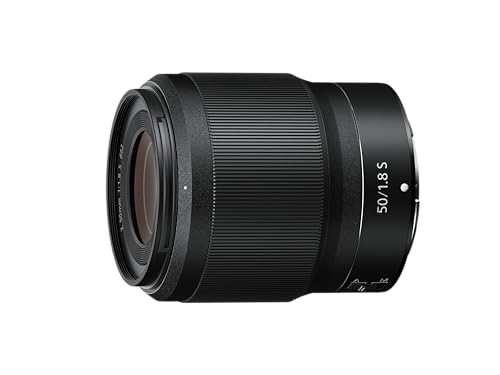
Fast 50mm prime for Z Mirrorless cameras

SVBONY SV535 Astro Camera Lens equipped with RF mount adapter Compatible with Canon mirrorless cameras; fast F2.8 large aperture; 105mm focal length; 5 groups 7 elements APO optical structure; full‑frame compatible; designed for wide‑field astrophotography; delivers sharp, low‑chromatic‑aberration star images for deep‑sky and milky way imaging
Maximizing Your Lens Collection With Smart Adapters
Hey, have you ever heard about smart adapters for camera lenses? They’re pretty cool because they let you use lenses from different camera brands, which gives you so much more flexibility and creative freedom! Imagine being able to slap on that amazing lens from a different system you’ve been eyeing without having to switch your entire camera setup.
What’s really neat is that many of these smart adapters come with electronic contacts. This means they can manage things like autofocus and aperture control, so your shooting experience feels seamless, just like using a native lens. Now, there’s a little catch: the flange distance. Simply put, shorter flange distance lenses can work with longer flange distance cameras, but not the other way around. For example, if you’ve got a mirrorless lens that’s shorter, it will fit on a DSLR body, but you can’t use a DSLR lens on a mirrorless body.
You might notice that smart adapters can be pricier than basic ones, but they really improve usability. Sure, image quality stays solid, but keep in mind that autofocus speed can differ based on the specific adapter and lens combo you’re using. If you’re looking to expand your photography toolkit, these adapters could really help you push your creative boundaries. So, what’s next? Let’s explore some must-have lenses that pair well with these smart adapters!
Additionally, considering the high-quality video capture capabilities in content creation, using compatible adapters can ensure your footage maintains optimal clarity throughout your workflow.
Recommended Products

Choose Your Power and Protection: Pick the perfect fit for your lifestyle with three premium options: AMOLED for vibrant visuals, AMOLED Sapphire for enhanced durability with scratch-resistant sapphire lens, or Solar Sapphire for extended battery life through solar charging.

Reimagined Half-Frame Digital Format: Inspired by classic half-frame film cameras, the FUJIFILM X half features a vertical 1" 18MP sensor with a 3:4 aspect ratio. It offers a distinct, compact shooting experience ideal for casual photographers and content creators seeking deliberate, story-driven imagery. This unique sensor layout naturally suits vertical content, perfect for modern social sharing without the need to crop or reformat.

【A 1200P ULTRA SHARP DISPLAY YOU’LL NEVER FORGET — EVEN SHARPER THAN VITURE PRO】Step into a jaw-dropping 152'' virtual screen with revolutionary 1200p resolution that feels like 4K — powered by VITURE’s proprietary optical “secret sauce.” Text is razor-sharp, delivering a clarity that’s even sharper than the award-winning VITURE Pro, making this the sharpest XR display ever created.
Frequently Asked Questions
What Does “Compatible Mountings” Mean?
Compatible mountings refer to the adherence to specific mounting standards, permitting lens compatibility with camera accessories. Approximately 70% of photographers prioritize this factor to guarantee ideal performance and image quality when choosing equipment.
What Are the Different Types of Camera Mounts?
Various camera mounts include Canon EF, RF, Sony E, Nikon F, and Z. Users benefit from manual lenses and lens adapters that enhance versatility, particularly in mirrorless systems, accommodating diverse photographic needs and legacy equipment.
What Does a Mount Mean in a Camera?
A mount, surprisingly essential yet often overlooked, serves as the lens attachment mechanism. Its design dictates brand compatibility, influencing not merely connection but the entire functionality of a camera system through careful alignment and communication.
What Is the Most Common Camera Mount?
The most common camera mount is the Canon EF mount, renowned for its extensive lens compatibility. While Nikon adapters facilitate some changes, Canon mounts remain the preferred choice among photographers for versatility and options in lens selection.


